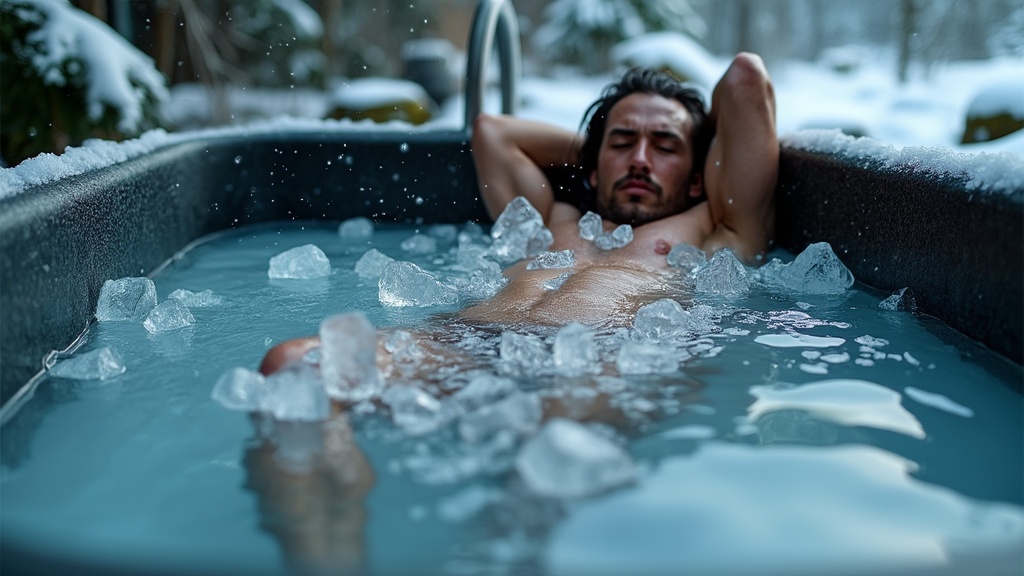
Hey there! You know that feeling when you need to beat the heat on a blazing summer day, and you dive into an invigorating cold pool? Imagine harnessing that shock of cold to soothe sore muscles after a grueling workout session. That’s what athletes and even some Hollywood stars have been raving about lately.
You might have seen them posting videos on social media as they plunge into tubs of icy water, using the chill as a recovery booster.
It’s all about the science of cold therapy, which works like icing a sprained ankle to ease swelling and speed up healing.
The benefits of this chilly plunge, from reducing pain to helping muscles bounce back by lowering stress and temperature, are really getting folks curious. Keep reading, and we’ll wade into the science behind ice baths and explore their benefits for muscle recovery, pain relief, and overall health.
The Benefits Of Cold Water Therapy
Picture this: you’ve just read how athletes and stars find solace in ice tubs after a tough workout. Much like a desert oasis offering a brisk splash of relief, taking an ice bath delivers an unexpected yet revitalizing jolt to the system, akin to athletes jumping into an ice bath post-game.
Recent research on ice baths in sports medicine emphasizes how they reduce inflammation and speed recovery. It’s like preparing a steaming cup of morning coffee—invigorating and refreshing—helping to ease delayed onset muscle soreness and boosting the body’s vitality.
Adjust your shower dial to a cooler setting next time for an invigorating ritual that enhances health. This aligns with cutting-edge advances in sports medicine and reflects research showing how cold baths influence muscle recovery and systemic health. Just as the heat from a sauna provides various benefits, the cold offers unique advantages, enriching our understanding of how soaking in an ice bath enhances functions such as reducing fatigue, improving breathing, heart health, and even impacting skeletal muscle dynamics.
Understanding Muscle Recovery Science
In light of how cold water immersion provides a refreshing jolt akin to that invigorating morning coffee, let’s shift gears to understanding how muscle recovery is akin to a soothing hot shower that resets your day. Imagine completing that exhilarating city marathon, surrounded by a sea of enthusiastic supporters, your legs heavy with a hard day’s work and your heart full of achievement.
Much like how your smartphone’s battery drains after countless texts and videos throughout the day, your muscles crave a well-earned recharge. They’re like energy absorbers, growing resilient with each physical hurdle, much like your endurance builds with each mile under your feet. Skipping this crucial rest period would be like trying to make breakfast without setting your trusted alarm. Muscles need the same nurturing care as an athlete preparing for the next challenge—this means rest, patience, and optimal conditions to rebuild and fortify themselves.
Now, let’s examine how taking an ice bath ties into all this. Picture your muscles as freshly baked cookies needing just the right temperature to harden perfectly. Dive into a cold plunge too soon, and you might shock those muscle cells, risking injury and invoking unexpected cardiovascular responses. Proper timing and technique in using ice baths as therapy can help in reducing inflammation and pain, although doing it wrong could hold back physical fitness and undermine your immune system.
Muscle Recovery and Ice Baths
- Rest and rejuvenation play vital roles, allowing muscles to recharge and enhance endurance levels.
- Correctly utilized cold water immersion therapy can effectively reduce muscle soreness and inflammation.
- Mismanaged use of this hydrotherapy technique can cause muscle stress or unfavorable impacts on blood circulation.
- Achieving a balance between rest and various recovery methods is key for optimal exercise recovery and overall well-being.
How Cold Baths Affect Blood Flow
Reflecting on how muscle recovery transforms with the aid of cooling techniques, let’s dive into understanding the dynamics of blood flow, especially considering how post-exercise rituals impact these changes.
-
Opening the Floodgates – Think About Your Plumbing
- Analogy: Imagine your body’s network of blood vessels as the tidy plumbing system of your home. When you step into an ice bath, it’s akin to adjusting the home thermostat to a cooler setting, causing the pipes to contract. This narrowing of the pathways can potentially improve circulation, aiding muscles in quick recovery and reducing the effects of soreness.
- Recent Event: In recent sporting tournaments, a visible trend has been athletes embracing cold water therapies, like cold plunges, to speed up recovery after games. These practices have sparked interest in how such methods can optimize blood flow and the benefits of ice to reduce fatigue and soreness.
-
Improving Circulatory Health with Cold
- Cold immersion isn’t just about cooling down; it’s about warming up your body’s recovery mechanisms. This practice could improve hemodynamics, or the flow characteristics of blood, which plays a part in supporting muscle growth and addressing post-exercise stress effectively.
- Science Insight: Engaging in ice baths highlights how we integrate the benefits into our workouts. The stark chill of exposure now becomes a seasoned method for leveraging temperature changes, showcasing how our circulation system adapts, as noted in sports medicine reviews.
-
Riding the Cold Wave in Recovery
- Now more than ever, the routine of cold and warm water is embraced in fitness circles. Ensuring that post-activity, a cold plunge offers a cooling effect can help relieve muscle strain and encourage restful sleep, a crucial part of any fitness journey.
- Therapeutic Effects: While some may find the icy embrace daunting, those with access to ice bathing leverage the therapy to boost cardiovascular well-being and counter workout-induced muscle damage.
So, when weighing recovery techniques, cold baths may emerge as a strong ally, not only speeding up recovery but also strengthening the body against inflammation and injury, drawing many athletes toward this refreshing path of recovery. By paying attention to circulatory responses post-bath, it paints a clearer roadmap for using post-exercise rejuvenation.
The Role Of Ice In Reducing Inflammation
Considering how cold baths optimize blood flow by narrowing your blood vessels like a thermostat tweak, let’s talk about how ice can put the brakes on inflammation. Those moments of relief, akin to jumping into a pool on a blazing afternoon, align closely with the soothing effects a bag of frozen peas can have on overheated tissues. Now, inflammation in your body isn’t much different from a traffic light switching to red just when you’re speeding along—sudden and a little irritating.
If you’ve ever laughed at a friend with tearful eyes after chomping on a spicy chili, that’s precisely how inflammation can hit. It’s the body’s go-to response to threats, yet it can interrupt daily life like an unplanned roadblock. That’s where our recovery superheroes—cold therapies—step in, cooling those fiery signals like calming traffic to avoid congestion.
Ice immersion therapy, often praised in discussions on recovery methodologies, aligns with techniques aimed at taming post-exercise swelling and soreness. The science behind these practices highlights the reduction of heat in stressed muscle regions, much like traffic flows smoothly when bottlenecks are eased. Athletes and everyday exercisers alike find solace in such therapies, implementing them within their post-activity routines to better manage inflammation. As we streamline recovery paths, these practices not only harmonize muscular rejuvenation but also weave into the wider narrative of proactive health strategizing for all.
Science Behind Ice Baths And Exercise Recovery
Considering the soothing effects of cold water on blood and its role in reducing inflammation, let’s explore the robust science supporting the immersive chill of ice baths in exercise recovery. Picture completing a grueling workout, your muscles crying out like a drained battery. That’s when the icy plunge steps in—acting as a refreshing reboot—much like a quick charge for worn-out muscles.
Top athletes often embrace this wintry soak, featured frequently in trends spotlighted across sports news, using its cooling properties to invigorate tired tissues post-rigor. It’s akin to plugging in your phone and watching it spring back to life—those rejuvenated muscle cells gain a spark of energy.
Let’s now explore the profound effects of these cold water immersions, proven by recent studies to alleviate swelling, easing delayed onset muscle soreness. It works much like switching your phone to battery-saving mode during prolonged use, enhancing recovery by calming inflammation and speeding up the healing of skeletal muscle.
Through routine ice plunges, not only can you curb muscle damage and minimize delayed onset soreness, but you also introduce your body to a therapy leveraging the rejuvenative powers of cold. Using this method transforms recovery into an effective process, beneficial for physical fitness and performance.
Exploring Cold Temperature Effects On Muscles
Just like the intricate dance of cold therapy and inflammation discussed earlier, waking up to a frosty morning isn’t too different from this delicate balance. Picture your body like a vintage machine—the cold gripping your joints and muscles, requiring a gentle wake-up call. Each shiver mirrors how stiffness might creep in, just as a cold engine needs a few moments before it roars to life.
You can bet winter athletes such as skiers and snowboarders prepping for major sports events feel this deeply. Layered up and with extended warm-up routines, they’re the epitome of what it means to adapt wisely. But here’s where things get interesting; while this nip can turn us rigid, it also stands as an ally in muscle healing.
Dipping into icy waters as a recovery creed, much like those winter professionals, can be likened to stepping into a freezing stream post-trek. The Ice bath practice has been spotlighted in recent sports medicine discussions, highlighting its role in reducing edema and limiting muscle damage. This balance between warmth and chill is as crucial as a perfectly timed dance move—ensuring a smooth flow of recovery.
Using ice therapy remains a trusted method in sports medicine for addressing delayed onset muscle soreness and aiding muscle hypertrophy. Take it from anyone who has hastened to add ice after a misstep—cold temperatures bring a significant reduction in inflammation, effectively aiding tissue repair. The interplay of hot and cold therapy continues to be a vital tool in post-workout recovery strategies, supporting not only athletes but anyone invested in maintaining physical fitness and performance.
| Cold Weather Effects | Recovery Benefits |
|---|---|
| Muscles feel stiffer | Icy water immersion therapy speeds recovery |
| Athletes require longer warm-ups | Cold baths reduce swelling and muscle damage |
| Body takes longer to get going | Cold treatments are valuable recovery methods |
Using Hydrotherapy For Post Workout Recovery
The way cold immersions work their magic on tired muscles is like enjoying a cold pop on a hot summer day. After exploring the delicate power of cold baths in achieving exercise recovery and understanding their profound physiological impacts, let’s jump into another refreshing idea: hydrotherapy. Imagine your muscles like a car after a scenic drive; they need that gentle cruise to cool down effectively.
Enter hydrotherapy, bringing a revitalizing splash that reduces muscle inflammation, acting much like a cool-down lap after a challenging race. News of top athletes relying on cold water immersion therapy during prestigious sports championships underscores how beneficial these practices truly are. It’s like having a secret weapon that allows them to recover swiftly, maintaining peak performance levels and safeguarding health.
You can’t overlook that consistently using cold baths reduces muscle inflammation more efficiently than active recovery alone. This aligns with diverse research, showcasing benefits in soothing muscle soreness and shortening recovery periods after high-intensity exercise. For some, incorporating daily cold plunges or using ice packs translates into an effective pathway to harness recovery benefits and boost physical fitness. Like warm-ups in preparation, hydrotherapy continues to be embraced as a valuable recovery strategy in sports medicine, benefiting muscle cells and even the casual fitness enthusiast.
Speed Up Recovery With Ice Bath Techniques
After exploring the nuances of how cold therapy affects muscles and the soothing benefits of hydrotherapy for post-workout recovery, let’s chat about a cool approach to muscle renewal. Imagine this: you’ve just crushed a tough workout, kind of like Woody sprinting to rescue his pals from Sid’s newest antics. Now it’s time for something chilly yet surprisingly effective at getting you back into action.
Step into the world of ice baths—an exhilarating method primed to boost your recovery speed. Consider it like Buzz Lightyear getting a recharge, revving you up to jump into your next mission with ease. Taking an ice bath helps calm inflammation and ease muscle soreness. Whether it’s after a hard run or an intense training session, immersing yourself in cold water offers significant recovery benefits that keep you charging full steam ahead on your adventures.
Ice Plunges
- Cold plunges reduce muscle inflammation by constricting blood vessels and lowering metabolic activity.
- Cold water immersion, often compared to a reset button, helps relieve muscle soreness and quickens recovery after intense workouts.
- Regular use of these techniques can improve athletic performance by reducing recovery times, allowing quicker return to peak physical condition.
You’ve just wrapped up an intense workout, a bit like Buzz and Woody after a wild adventure. Your muscles are crying out for relief, and while a cozy hot bath sounds divine, there’s a cheeky alternative people have been buzzing about lately—cold water therapy.
Athletes across the globe are diving into these chilly baths, claiming they help them bounce back faster after exertion.
It’s like a pop quiz in muscle recovery that’s caught the attention of everyone from weekend warriors to Olympic champs.
The whole idea of submerging yourself in icy water, often referred to as an ice bath, may sound like a scene from a winter carnival, but the benefits of ice are quite backed by science, highlighting its positive effects on muscle recovery, pain reduction, and overall health through enhanced blood flow and decreased edema.
.
The Benefits Of Cold Water Therapy
Building upon how icy plunges and cool showers play a role in muscle recovery, let’s take a closer look at the treasure trove of advantages offered by cold water therapy. Imagine stepping into a brisk wind after being indoors all day—initially shocking, but soon invigorating, right?
- Boosts Recovery:
- One tremendous advantage is its capability to combat inflammation and ease soreness. Think of athletes who dive into ice baths after grueling games; it’s like their go-to tool for a speedy comeback!
- Recently, during a major sports championship, players shared how these exciting ice soaks played a crucial role in their recovery after fierce competitions. In sports, effectively managing inflammation and delayed onset muscle soreness can greatly support muscle recovery, which is crucial after using heat showers that aid in healing tissues and enhancing blood flow, ultimately helping to reduce fatigue and improve overall well-being, including sleep quality and brain focus.
- Enhances Blood Flow:
- Engaging in cold water therapy is like giving your circulatory system a tune-up—helping blood vessels respond and reset, improving how blood flows in your body. It’s a vital aspect of recovery, much like how running helps stretch out muscles and keeps you performing at your best.
- Regular use of ice baths is linked to better metabolic health, emphasizing a well-rounded approach to fitness and overall wellness.
- Aids Mental Toughness:
- Taking an ice bath is not just about physical recovery; it’s also a test of mental strength! Athletes often share how stepping out of their comfort zone to embrace the chill empowers their mindset and builds resilience, much like training for a challenging race.
- The benefits don’t stop at feeling rejuvenated—experiencing the cold can also sharpen your focus, creating a strong connection between your body and brain that can stick with you throughout your next workout or competition.
Understanding Muscle Recovery Science
Building on the importance of cold water therapy, let’s focus on how this technique helps our bodies recover after demanding workouts. Just like your favorite pickup truck needs maintenance to keep rolling smoothly, your muscles require care after the hustle and bustle of exercise.
When you break a sweat with activities like running or strength training, you’re actually putting your muscles through a workout that creates tiny tears. This is known as muscle damage, a natural part of building strength, much like how wood is shaped and fortified over time. Rebuilding those fibers leads to the fascinating world of recovery, which has gained attention in sports medicine following high-profile competitions like the Olympics.
A standout method in muscle recovery discussions is ice baths, which involve using cold water to combat inflammation after intense workouts. Think of athletes using ice as a fireman uses water to extinguish flames—this cooling therapy helps tackle the heat generated from inflammation and speeds up the healing process, reducing soreness and offering a quick recovery option. Recent reports show that sports teams are increasingly incorporating these icy practices into their regimes, recognizing the benefits of ice for boosting physical fitness and promoting muscle cell repair post-injury.
The science behind ice baths reveals that exposure to cold constricts blood vessels, slowing the flow of blood to sore areas, helping to reduce swelling and pain. As the muscles warm back up, blood floods the area, bringing vital nutrients and enhancing recovery. Evidence suggests that these cycles of constriction and subsequent rush can significantly improve our bodies’ ability to heal after strenuous workouts.
It’s not just top athletes who benefit from cold water exposure; anyone tackling their own fitness journeys can find great value in adding ice baths to their recovery techniques. Soaking in an ice bath for about 5 to 10 minutes can help reduce inflammation and ease delayed onset muscle soreness, making it a worthy addition to any recovery routine. Regular ice immersion for sore muscles, just like checking your trusty pickup truck regularly, might make all the difference in keeping you on the go!
How Cold Baths Affect Blood Flow
The Chill Factor
Connecting the dots from our earlier discussions on muscle recovery and the incredible perks of cold water therapy, it’s time to explore how these icy plunges truly influence blood flow. Imagine stepping into that chilly tub—it can feel like the first day of winter when you accidentally forget your coat! As soon as you’re submerged, your blood vessels start to contract, similar to how a garden hose reacts when you squeeze it. This process, called vasoconstriction, helps your body conserve heat by reducing blood flow to the skin.
Warming Up
Once you step out and your body warms up again, it’s like turning on a faucet—your blood vessels relax in a process known as vasodilation. This increased circulation can really speed up recovery from soreness following a tough workout, giving your body the support it needs to bounce back.
Athletes and the Ice Bath Trend
Recently, athletes like LeBron James have been showcasing their chilly recovery routines on social platforms, emphasizing how taking an ice bath can significantly reduce soreness and enhance blood flow. Not only does this help alleviate delayed onset muscle soreness, but research suggests that these cold water immersions can also be crucial for muscle recovery after intense activities.
Cold Exposure and Circulation
This connection between cold exposure and your body’s circulatory system is fascinating! The interaction between cold temperature and your body promotes effective hydrotherapy, offering a unique recovery method that combines relaxation and rejuvenation. Plus, with ongoing research into the health benefits of ice baths, athletes and fitness enthusiasts alike are tapping into this low-cost, high-reward strategy to enhance their physical fitness.
Consider the Cold Plunge
So, embracing a chilly soak might not just be about braving the cold—it’s a smart move for muscle health and overall well-being. The next time you think about your post-workout routine, consider adding a cold plunge to the mix for those amazing benefits that truly help your body recover fast and effectively!
The Role Of Ice In Reducing Inflammation
Building off our previous chats about how cold water therapy helps muscles recover and affects blood flow, let’s explore the superhero-like role of ice in reducing inflammation. After a tough workout, when your muscles feel like they’ve been through a tough battle, the thought of relief is everything.
Think of cold therapy as that reliable buddy who shows up just in time, swooping in to save the day and kick discomfort to the curb. Swelling after an injury is like your body’s fire alarm, signaling that something needs fixing. While some inflammation is necessary for healing, too much can turn a small issue into a big one.
This is where cold exposure becomes a trusty firefighter, calming the flames of discomfort and restoring balance. Using ice is like turning down the heat on a pot that’s about to boil over—cooling it down can significantly reduce muscle soreness and speed recovery. By tightening blood vessels, it helps cut down swelling and manage pain, promoting better health during your recovery routine.
Benefits of Cold Therapy for Recovery
- Reduces muscle soreness and swelling after intense workouts.
- Helps tighten blood vessels, which can lessen swelling and pain.
- Encourages quicker recovery times by boosting circulation once the cold exposure ends.
- Using ice baths can improve overall athletic performance by allowing a faster return to training.
Science Behind Ice Baths And Exercise Recovery
Let’s take a closer look at how ice baths can be your trusty sidekick when it comes to exercise recovery. Imagine you just had a tough gym session, and your muscles are sore like a toy that’s taken a hard fall. That’s where ice baths come in, like Buzz Lightyear swooping in to rescue Woody after a big tumble!
So, the science says that ice baths can help reduce inflammation, kind of like a snowman keeping cool during a heatwave. The chilly waters work by constricting your blood vessels, which may help reduce delayed onset muscle soreness, or DOMS for short. Just like how athletes at major sports events have been spotted diving into ice baths post-competition, they’re using the benefits of cold water to bounce back faster.
Now, there’s a bit of debate out there about how effective ice baths really are for overall muscle recovery. Some studies find that they’re great for reducing soreness and inflammation, but others don’t completely buy into the hype just yet. What’s happening under the surface is quite the story: using cold water can help control the body’s response to hard exercise, keeping your muscles happy and healthy. So you can think of it as being proactive in your own recovery journey.
If you are thinking about adding ice baths to your routine, remember it’s not just about facing the cold. It’s about using the science behind ice baths to make the recovery process smoother, letting you stay in the game longer and feeling good while doing it!
Exploring Cold Temperature Effects On Muscles
Following our look into how ice works its magic on inflammation and recovery, let’s uncover some surprising facts about how our muscles respond to cold temperatures. Imagine a snowman: as the warmth creeps in, it begins to lose its strong form and starts to melt away, much like our muscles can react to heat after a workout.
Benefits of Cold Exposure
When it’s cold, our muscles tighten up naturally, which can actually be a good thing. Recent studies have shown that cold water immersion effectively reduces swelling and muscle soreness after tough activities. Just picture that chilly plunge after a long workout—those frosty temps can really help speed recovery by tightening blood vessels and slowing down inflammation. Whether you’re out skiing down a snowy slope or recovering from an intense basketball game, cold water therapy can be your best friend in reducing muscle pain and fatigue. Research suggests that just 5 to 10 minutes of exposure can work wonders for recovery, helping to flush out that annoying delayed onset muscle soreness we often feel after exercising.
How Cold Water Works
- Cold water immersion can effectively reduce swelling and muscle soreness after strenuous activities.
- Research shows that using ice baths can speed recovery by tightening blood vessels and reducing inflammation.
- Taking an ice bath for 5 to 10 minutes can be a helpful recovery method.
- Cooler temperatures help muscles recover after physical exertion by promoting better blood flow.
Using Hydrotherapy For Post Workout Recovery
Imagine diving into a cool lake on a hot summer day; that refreshing splash can be similar to how using cold water aids our recovery after a tough workout. Hydrotherapy, especially in the form of ice baths, acts like a trusty buddy that helps soothe our muscles and speeds up recovery.
When we immerse ourselves in cold water, it works wonders for sore muscles. Research has found that cold water immersion can significantly help reduce inflammation and cut down on soreness post-exercise. Just think about how professional athletes jump into ice baths to enhance their recovery process; they know what they’re doing, right?
The magic happens below the skin too! When our muscles are exposed to cold, blood vessels constrict, which helps to reduce swelling and muscle pain. This reaction is super effective in tackling delayed onset muscle soreness, making it easier to recover after high-intensity workouts. A short soak of just five to ten minutes can boost your recovery, so you’re back to your routine quicker!
And even better, once you get out of the cold water, your blood flow ramps up. The temperature shift helps circulate fresh, oxygen-rich blood to your muscles, which is crucial for healing and promoting strong tissue. It’s like giving your body a reset button—after the icy plunge, your muscles are ready to jump into action once again!
In short, adding hydrotherapy with cold water to your recovery routine can make a huge difference! By harnessing the refreshing chill, you’re not just easing sore muscles; you’re making recovery a more enjoyable experience that fuels your next workout and elevates your fitness journey.
Speed Up Recovery With Ice Bath Techniques
Building on our earlier discussions about how cold temperatures impact muscles and the benefits of hydrotherapy, let’s get into the art of ice bath techniques. Just like Buzz Lightyear needs to recharge after exploring galaxies, your body craves a refresh after a tough workout. Soaking in cold water is the perfect way to help reduce inflammation and soreness, leaving you ready to tackle whatever comes next!
Recent studies have shown that immersing yourself in cold water may help athletes bounce back faster. Think of it as finding the ultimate tool in your recovery toolbox—your own secret weapon! Just like Woody and his friends find clever solutions when faced with challenges, adopting this frosty approach to recovery could be just what you didn’t know you needed. Major sporting events have highlighted the trend of cold water therapy, including ice bathing and ice plunges, as an innovative way to enhance performance and recovery.
Cold Water Therapy
- Cold water immersion can significantly help reduce muscle soreness after intense exercise.
- Studies indicate that athletes who use cold water therapy see faster recovery times.
- Ice baths and plunges have become popular among professional athletes for performance improvement.
- Cold water therapy may help lessen inflammation, allowing for better overall recovery.
Engaging in cold water therapy can kickstart your circulatory system, promoting better blood flow to muscle tissues that need it most. This process not only helps flush out metabolic waste, but it also delivers vital nutrients, speeding up your recovery from delayed onset muscle soreness. From Olympic athletes to everyday fitness lovers, many are embracing cold showers and ice baths, fully aware of how effective these methods can be in reducing fatigue and boosting physical fitness.
In essence, adding ice bath techniques to your recovery routine can be amazing. By harnessing the health benefits of ice, you’re not just easing muscle pain; you’re giving your body the tools to recover more effectively and come back stronger than before!
Are There Any Risks Associated With Using An Ice Bath Tub Cold Plunge Concerns
How Often Should You Take An Ice Bath Discover Cold Water Therapy