
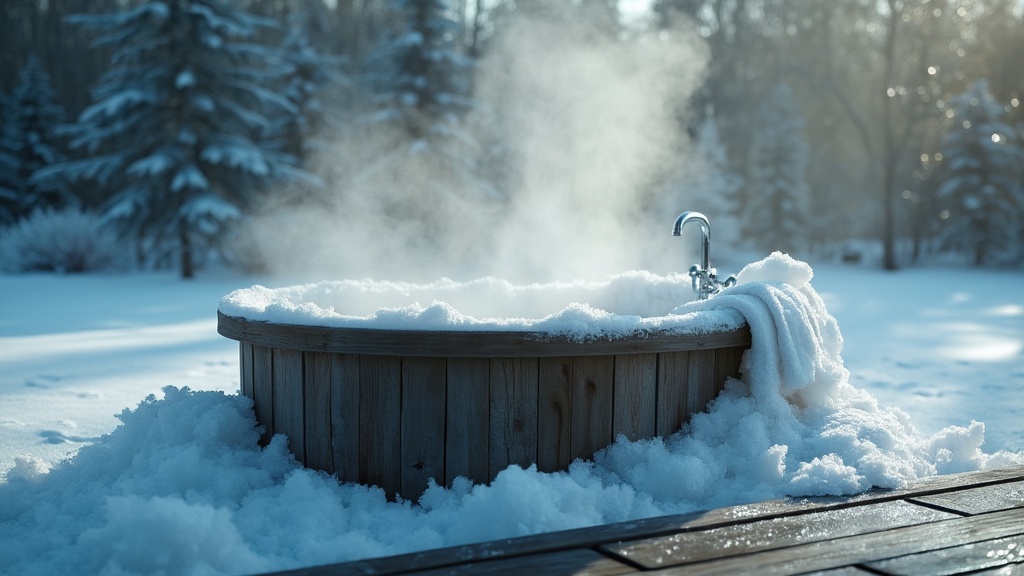
Imagine taking a plunge into a frosty oasis on a sizzling day, where the icy waters promise to revitalize your body and mind. It’s like swapping out the cozy warmth of your favorite blanket for a brisk breeze—refreshing but a little startling.
But hold your horses, partner, because just like working up a sweat in the wrong kinda sauna, diving into icy depths comes with its own set of concerns.
One of the biggies is the cold shock response, where your heart might start galloping faster than Bullseye the horse.
It’s all about timing and temperature, so you’re not left feeling like a human popsicle. Now, let’s mosey on over to the “Potential Risks Of Cold Plunge” section and explore these chilly waters, where we’ll touch upon risks such as hypothermia, the cold shock response, elevated heart rate, and the dangers of drowning.
Potential Risks Of Cold Plunge
Just as our exploration of chilly waters reminded us of the initial shock, there are more aspects to think about when jumping into the practice of cold plunging. It’s like experiencing a frosty gust as you open the door on a crisp morning.
Imagine a scene where you’re at the beach, enjoying the sun, and suddenly a rogue wave rolls in, catching everyone off guard. This surprise moment is similar to the abrupt experience faced by a famous athlete recently, highlighting the unexpected reaction our body might have.
Picture your heart like a vintage car engine on a wintry morning—it often needs a gentle nudge to get going. Even though cold water immersion can be refreshing and is often praised for its health benefits, there are things to consider, such as the stress it can put on our muscles and cardiovascular system. When people try this without properly checking the water temperature or duration, the cold shock response can cause an elevated heart rate, similar to revving that engine beyond safe levels.
Looking at the idea of extended exposure, our bodies might react in unexpected ways. Risks such as hypothermia or the strain on our body temperature control, hemodynamics, and core body temperature adjustments require a careful approach. Moreover, like running through a frigid snowstorm, prolonged cold therapy could stress the immune and circulatory systems, possibly causing effects like negative impacts on blood pressure and inflammatory responses.
Hypothermia And Cold Exposure
Our journey through the icy waters of wellness continues, leading us to both invigorating and surprising insights. Just like navigating through an ice bath or facing the chill of a winter storm, knowing how our bodies cope with cold plunge can be essential. Recent headline-making weather events highlight the importance of cold immersion, as stepping into these freezing realms can feel like leaving the warmth of a cozy blanket to face the cold shower of a blizzard.
With major reports sharing how these conditions pose real risks, it’s vital to pay attention. The American Heart Association, for instance, often advises about the health challenges of a cold environment. Think of your body as a thermal warrior, fighting to keep its inner heat burning, like a heated tub in winter. Confronting hypothermia is akin to wrenching your body’s hemodynamics, potentially leading to frostbite or risks like Myocardial infarction.
The Science of Staying Warm and Safe
Understanding how these cold plunge challenges hit our bodies is key. Picture your body as a thermostat, striving to balance its core warmth amidst the frost around you. Just like crucial weather alerts warn us of external dangers, awareness of these internal struggles helps in managing the negative effects tied to cold exposure such as cardiovascular disease. Comforting therapies like enjoying a heat-soaked sauna or sinking into a hot tub offer respite, acting as hearths that warm and calm the mind and body.
Cold and the Circulatory System
- Chilly weather can increase the chances of myocardial infarction as the circulatory system works to keep body temperature stable.
- Facing icy environments can lead to frostbite, highlighting the need to grasp how cold affects our health.
- Studies link cold exposure to harmful impacts on the heart, with the American Heart Association shedding light on these risks.
- Saunas and hot tubs combat cold effects by boosting warmth, supporting body regulation, and easing stress on the heart.
Cold Shock Response Explained
Diving into the World of Cold Plunges
Imagine preparing to jump boldly into the refreshing world of icy immersions—like leaping into the freezing lake at the annual New Year’s plunge. It’s a brave moment, much like dealing with unexpected weather changes with hypothermia nipping at your toes. As you face that initial chilling instant, your body enters shock, similar to the abrupt icy jolt when a polar vortex strikes. You feel your heart pounding against your chest, racing like sled dogs at the Iditarod, and your breath catches faster than a sprinter dashing from the starting block.
What Happens During a Cold Shock Response?
This process, known as the cold shock response, is your body’s quick reaction to sudden vulnerability in freezing conditions. Your cardiovascular system kicks into overdrive, trying its best to adjust, much like a thermostat handling a power surge. Your heart rate spikes, directing blood to vital organs to combat this icy challenge. Recently, I watched brave souls at winter festivals take on icy plunges, much like explorers navigating uncharted snowy terrain—both awe-inspiring and somewhat alarming in one frosty swoop.
Understanding the Effects and Benefits
When considering this metaphorical plunge, we witness real-world effects of cold shock responses, reminiscent of stories where mixing incompatible elements in sauna heaters leads to unexpected outcomes. It reminds us how our bodies, like finely tuned weather instruments, respond to extreme cold followed by the soothing balm of hot tubs and saunas, helping regulate amidst Arctic trials. As with any challenge, grasping these chilling dynamics can guide us safely, understanding the connections between thermoregulation, blood flow, and pressures exerted on our hearts. Staying informed allows for safer enjoyment of cold therapies, knowing both their risks and truly invigorating rewards.
Effects On Heart Rate And Pressure
Picture this: You’re about to dive into an icy lake during a cold plunge, and your heart feels like it’s in a race car speeding down a track. This exhilarating heart rate spike is your body’s quick reaction to cold exposure, something the world has been buzzing about because of its potential health benefits and risks.
Your blood vessels shrink from the cold, like tightening shoelaces trying to keep your shoes secure, causing your blood to flow faster. It’s similar to your circulatory system ramping up its pace before a big marathon. Just like cold swimming, every dip in cold water trains your body’s inner workings to handle sudden shifts.
Experts, like those from the American Heart Association, suggest starting slowly by gradually immersing in cooler water before cooling down for a longer time. This helps your body adapt without sudden shocks and keeps your blood pressure from spiking. Consistent exposure to cold temperatures not only enhances circulation but also helps reduce inflammation—a bit like achieving new personal bests with regular practice.
| Cold Shower Benefits | Cold Shower Risks |
|---|---|
| Improves circulation | Possible high blood pressure spikes |
| Reduces inflammation | Sudden cold shock unpreparedness |
| Conditions the circulatory system | Requires cautious initiation |
Importance Of Thermoregulation
Reflecting on how the heart races during a cold plunge and the body’s response to extreme conditions, it’s clear our body is a finely-tuned machine. It can regulate core temperature much like you’d tweak your car’s AC on a blistering day. This intricate balance, known as thermoregulation, ensures that dipping into icy depths on a hot summer day refreshes without shocking the system.
What is the Body’s Temperature Control?
Consider your inner thermostat keeping tabs, much like monitoring the weather and adjusting your outfit accordingly. When exposed to varying temperatures—whether in intense heat or during an Arctic chill—a seamless adaptation kicks in, akin to easing into a cold tub for a swim. This physiologic process stabilizes your internal environment, safeguarding against Hypothermia or overheating.
Why Does It Matter? Embracing cold exposure, like the sensation of an invigorating cold shower, carries potential benefits for heart rate, blood pressure, and overall health. Yet, it’s wise to talk to your health care provider, especially if underlying heart conditions exist. Exploring these benefits is like finding a treasure trove of physical and mental health perks, but remember that safety first is always a good idea. Whether tackling stress by invigorating the immune system or targeting inflammation within muscles, strategic cold therapy can be a powerful ally in well-being.
Dangers Of Frostbite And Pain
Moving from the benefits and crucial functions of keeping warm, let’s look at the risks of extreme cold shocks. Imagine your body as a well-tuned guitar, and then someone’s taken that sudden cold plunge into winter, leaving you fighting against the strings’ rapid reaction—out of tune. This is like a sudden shift in weather, highlighting the risks tied to such exposures.
When these cold conditions worsen, what exactly unfolds?
-
Exploring Frostbite: Nature’s Freezer Burns
- Think of frostbite as your fingers freezing on the keys while trying to play a tune. Just like extreme temperatures can affect instruments, human skin and tissues freeze when exposed to severe cold for too long.
- Remember that unexpected winter blast in Texas, where the cold overwhelmed everything, much like a heart’s response to an icy plunge into the water, trying desperately to keep the blood flowing against the odds.
- Frostbite occurs when skin and deeper layers freeze, damaging tissues like the rapid turn of a thermostat from warm to freezing, causing a sharp pain, similar to how cold water immersion can affect your muscles and reduce soreness.
| Analogy | Real-world Example |
|---|---|
| Frostbite compared to frozen fingers on a musical instrument | Texas winter storm paralyzing systems |
| Skin and tissue freezing in extreme cold | Cold water immersion reducing muscle soreness |
Cardiovascular Considerations In Cold
Now that we’ve explored the importance of maintaining warmth and the potential hazards lurking in freezing temperatures, let’s focus on how this chilly weather can pose quite the challenge for our hearts. Imagine bursting into the cold air for a quick jog or walk, feeling the icy wind gnawing at your cheeks. It’s not just your skin that should brace for impact—your heart’s in the game too.
Think of your heart as the robust engine of a car. When it gets chilly, just like an ice bath might make you shiver, the heart finds it harder to rev up and purr flawlessly. The cold causes blood vessels to tighten, akin to squeezing into constrictive jeans, which heaps extra stress on your heart. Remember the recent cold snaps, like those thought-provoking polar vortexes? They echo the aftereffects of a cold bath, bringing to light the heart risks involved, especially for individuals with existing health challenges. Here’s where families daringly dive into chilly waters, braving chills of about 60 degrees Fahrenheit, which might prompt cardiovascular concerns including a frightful dip and the risk of drowning due to weakened strength and coordination. The key takeaway? Always approach cold plunge tubs wisely, factoring in potential benefits while ensuring safety is not compromised.
Safety Tips For Cold Therapy
Entering the World of Cold Therapy
Imagine the excitement from our previous chats on mastering warmth and understanding frostbite’s icy grasp. Now, you’re ready to explore cold therapy with the same curiosity, but approach it like a craftsman picking up a new instrument. Picture starting your journey with a little warmth, easing into the refreshing sensation like a musician breaking in new strings before crafting a melody. As you explore this chilly realm, recognize the rejuvenating magic it holds, from enhancing mood to aiding heart health, similar to fine-tuning a guitar to achieve the perfect tune.
Taking the Plunge Wisely
Before you plunge into a frosty tub, like a wise cowboy considering the unpredictability of the frontier, ensure your health portrait is clear by consulting with your healthcare provider. Diving into this new experience should never be reckless; weigh the exhilarating benefits against potential cardiovascular risks. Like adding layers of safety gear, starting with a less frigid water temperature helps your body adapt, making your strides in cold therapy smoother and healthier.
Strategies for a Safe Experience
So, partner, tread wisely as you explore the chill. Avoid the pitfalls of jumping headlong into an icy bath without preparation. Think of it as aligning your strategy like patiently setting up dominos for a grand effect—every piece needs its place, considered and adjusted for an overall positive experience. Remember, while the fresh path is enticing, balancing enthusiasm with regard and advice is key, ensuring your well-being remains a top priority.
Cold Therapy Benefits and Precautions
- Cold therapy can improve mood and boost cardiovascular health.
- Gradually adjusting to colder temperatures helps the body acclimate.
- Consulting a healthcare provider is essential before starting cold therapy, especially with existing health concerns.
- Balancing excitement with caution is crucial to avoid unexpected health risks.
Taking the plunge into icy waters might seem invigorating, but it’s important to recognize the potential pitfalls lurking beneath the surface. Just like when you hear those unfortunate stories about athletes who faint after an intense workout, sudden exposure to frigid temperatures without caution can lead to some serious reactions.
A primary concern is the cold shock response, which is like a surprise party for your body—only instead of balloons, you get an accelerated heart rate.
When your skin hits that frigid temperature, your heart can race and you might find yourself gasping for air, making it difficult to catch your breath. It’s best to ease into the experience gradually, much like how you wouldn’t dive straight into a freezing pool without first acclimating your body to the cold to avoid the risk of shock or hypothermia.
Potential Risks Of Cold Plunge
Following our exploration of how our heart handles extreme situations, it’s important to consider the flip side—the risks that come with taking the plunge into icy waters. Imagine stepping into a frigid lake in the middle of winter; initially invigorating, but before long, it can leave you stunned and gasping for warmth. That’s the kind of jolt many experience with an ice bath, and it’s not just refreshing; there are several risks to keep in mind, especially if you’re not careful.
The Shock Factor: Picture diving into that icy water after basking in the sun. Your heart races like it just saw a rollercoaster! When sudden temperature drops occur, your body reacts rapidly, much like that moment you realize you forgot your jacket on a chilly day. Recently, athletes have jumped into the cold plunge trend for recovery, yet rushing or mismanaging their time in the icy depths can lead to serious cardiovascular issues, like an irregular heartbeat. This swift reaction can kick off what we call a cold shock response, which might elevate your heart rate dramatically and trigger challenges like shortness of breath.
Taking a quick dip can feel refreshing, but when your exposure is too long or the water is too cold, you risk hypothermia and potential drowning, akin to how a summer storm can turn calm waters into unsafe tides. Your circulatory system has to work overtime, struggling against the shock, causing your blood vessels to constrict and blood pressure to spike—certainly not an ideal scenario for anyone, especially those with existing heart conditions.
It’s more than just a momentary jolt; over time, the negative and potentially dangerous effects of prolonged cold exposure can mount. Imagine being in a sauna just to cool off in a bathtub filled with ice and finding you can’t quite catch your breath. That sudden switch can feel disorienting and risky for your heart’s rhythm. Research shows that careful management of your time in cold water is crucial to harnessing the benefits without encountering undue risks.
So as we step forward, let’s remember to ground our ice bath practices in safety and cautious observation—making sure we keep an eye on our body’s responses to this adventurous activity. Always check with your health care provider before taking this chilly plunge, especially if you have underlying health concerns.
Hypothermia And Cold Exposure
Moving from the potential risks we’ve explored, understanding hypothermia and the perils of cold exposure offers critical insights into staying safe during chilly adventures. Much like how toys need a little care to keep them functioning, our bodies deserve thoughtful consideration when temperatures drop.
Extreme Sports and Cold Awareness
Recently, extreme sports athletes at the winter X Games showcased remarkable bravery in icy conditions. Their daring feats underline that anyone stepping into the chilly air must be alert to avoid serious health issues, similar to a snowman facing the sun’s warmth and ultimately melting away.
The Dangers of Cold Exposure
It may be easy to think that only outdoor enthusiasts face risks from prolonged exposure, but anyone can be affected. Imagine your body as a finely tuned engine; when confronted with cold temperatures, the heart and circulatory system slow down to conserve energy. This can lead to serious effects like frostbite or even a heart attack without proper precautions, such as therapies like sauna or a hot tub soak.
| Risk Factors of Cold Exposure | Potential Consequences |
|---|---|
| Prolonged low temperatures | Frostbite |
| Insufficient preparations for outdoor fun | Heart attack |
| Sluggish circulatory system in the cold | Decreased energy effectiveness |
| Engaging in extreme sports in icy weather | Increased chance of injury |
Managing the Cold
Without proper precautions, the effects of cold exposure can grow overwhelming, much like being unexpectedly tossed into an ice bath. Implementing gradual acclimatization strategies can help reduce these risks. Starting with warmer water and slowly transitioning to colder temperatures or briefly submerging in 60 degrees Fahrenheit baths can help your body adjust, reducing the chance of feelings of shock and distress.
Staying Safe While Enjoying Cold Therapies
Remember, cold exposure affects everyone, whether you’re a casual swimmer or an extreme athlete. Prioritizing safety, monitoring your heart rate, and listening to your body’s cues are vital to enjoying the refreshing benefits of ice baths while keeping the risks of hypothermia or circulatory issues at bay. So, the next time you think about taking a plunge into icy waters, make sure to consult your doctor and arm yourself with knowledge about proper safety measures!
Cold Shock Response Explained
Let’s chat about what happens to our bodies when we hit chilly water. Imagine diving into a freezing lake on a hot summer day. You get that instant jolt, right? It’s like your body is saying, “Whoa! What just happened?!” Your heart starts racing as if a bear is chasing you!
- What is Cold Shock Response?
- This quick reaction kicks in when your body meets ice-cold temps. It’s similar to a fast decision in a game of tag. Your heart rate jumps, and you start breathing quickly, like a hamster spinning on its wheel when startled. When you dive into cold water, your body feels threatened. This can change blood flow and affect muscle growth, but here’s the kicker — those tingling feelings and moments of breathlessness might actually help you become stronger and more resilient!
Recent research, especially from the American Heart Association, shows that while this shock can lead to risks like fast heart rates or heart rhythm issues, it also helps boost your immune system. Think of it as playing with fire; if you’re careful, you can enjoy the benefits without the burns. Over time, our bodies learn to handle these cold stresses, improving heart health, much like how athletes at the winter X Games train in frigid conditions.
But here’s the important part: watch out for risks like frostbite or even drowning, especially if you’re new to cold water. Your circulatory system can react strongly, constricting blood vessels and raising blood pressure. So, know your limits! Using a sauna or hot tub afterwards can ease your body back into warmth, much like warming up before that icy plunge.
So, before you jump into those ice baths, be sure to check with your healthcare provider, especially if you have any heart concerns. Enjoying the perks of cold water therapy means making smart, safe choices for your body and overall health.
Effects On Heart Rate And Pressure
After chatting about the cold shock response and its impacts, it’s fascinating to examine how our heart and blood pressure react when we meet icy water. Ever stepped into a freezing cold shower and felt that sudden burst of energy? That initial jolt is your body’s way of letting you know it’s time to pay attention!
The Body’s Response
When your body hits frigid temperatures, your blood vessels react by tightening up, almost like squeezing a rubber band. This action decreases blood flow, causing a spike in pressure that can be quite alarming, especially if high blood pressure is already on your radar. But don’t worry! As you adjust to these cold temperatures, new health benefits start to emerge, like improved circulation and stronger heart resilience. Think of it like upgrading from a basic toy to a high-tech spaceship—your body gains enhanced capabilities as it learns to navigate the challenges of the icy environment.
Research Backing the Benefits
Notably, research from the American Heart Association highlights that taking an ice bath can assist in managing soreness and could even help lower hypertension. Just picture this: the shock from the cold water can stimulate your immune system and enhance your heart health. It’s a dynamic way to help your body, akin to athletes at the winter X Games who train in freezing conditions to boost their performance.
Listening to Your Body
However, balancing the benefits of cold exposure requires awareness. It’s crucial to listen to your body’s signals. Experiencing sudden shortness of breath or dizziness when entering cold water calls for a pause to assess your comfort level. The thrill can boost your immunity, but you also need to avoid negative effects like arrhythmias or more serious complications such as drowning! Always consider checking with your healthcare provider before diving in, particularly if you have a heart condition.
Your Health Journey
So, as you prepare to explore the invigorating world of cold water therapy, remember this: just like building a sturdy toy, your health journey depends on patience and understanding your limits. Enjoy the benefits of cold water, but do so with caution and respect for your body’s responses!
Importance Of Thermoregulation
Connecting the dots from our previous chats about the cold shock response and how our heart works, let’s explore a crucial theme: thermoregulation. Think of your body as a toy robot that needs just the right conditions to keep buzzing along happily. Maintaining a comfy internal environment is essential so everything runs smoothly.
News stories featuring athletes using cold therapy highlight its importance when regulating our systems. You’ve probably spotted those ice baths they jump into after grueling workouts. It’s like giving that toy robot a much-needed break after spinning wildly; it helps lower heart rate and blood pressure, getting them back to their best much quicker.
Just like that beloved toy, staying in balance is key. When we experience extreme temperatures—whether hot or cold—our bodies can struggle, much like a toy that overheats and stops functioning. Cold exposure might seem revitalizing, but if we don’t pay attention to how we enter the water, we could face the shock of icy temperatures that can negatively impact our heart rate and blood pressure, especially for those with existing heart conditions.
Research highlights that regulated exposure to colder water can actually boost our immune systems, aiding recovery and enhancing our overall health. For instance, the American Heart Association emphasizes how moderate cold exposure can reduce inflammation and promote cardiovascular health. Think of it as a natural way to rev up the immune system, much like how certain toys need a little charge to get back to life!
It’s also important to remember that sudden changes in temperature can pose risks. This is especially true if you’re submerged in water for too long or enter too quickly. The sharp cold can lead to blood vessels constricting, increasing blood pressure and possibly resulting in tachycardia or even serious conditions like cardiac arrest. So, just like you wouldn’t push a toy robot too far, it’s important to listen to your body and find that sweet spot, where you can enjoy the benefits without risking harm.
Ultimately, thermoregulation is about maintaining a balanced internal environment within the body. When harnessed correctly, techniques like taking an ice bath or a cold shower can provide numerous benefits. But, just like with any great adventure, it’s vital to assess your limits and check in with a health care provider if you have any concerns—because nobody wants their beloved toy robot to short-circuit!
Dangers Of Frostbite And Pain
As we consider thermoregulation, it’s vital to understand the more serious side effects of extreme temperatures, especially with winter storms becoming a frequent headline. Recently, there were reports about a harsh winter storm in the Midwest, reminding us of how quickly chilly weather can pose health risks—like stepping outside and feeling that sudden, numbing bite of frigid air.
Just as you wouldn’t send your favorite toys out to play in a rainstorm, our bodies also need protection against severe cold. Frostbite can sneak up fast, particularly on exposed extremities such as fingers and toes, making awareness crucial.
- The Basics of Cold Exposure
- When skin meets icy air, the potential for freezing sets in—think of it like shocking your system with a blast of cold water that’s a bit too intense. Continuous exposure can lead to frostbite, especially in vulnerable areas, just like how a toy left outside can get damaged by the elements.
- As temperatures dive below 32°F (0°C), the risks of hypothermia and frostbite become significantly higher, according to the National Weather Service. Imagine the cold water seeping into your bones, making it tough for your body to carry out essential functions.
- Experts suggest layering up and protecting those sensitive spots to prevent cold-related injuries, much like how you would have your toy bundled up to keep it safe from the harsh elements.
- Health challenges can heighten with cold exposure, especially for those already facing cardiovascular issues. The strain on the body’s systems can mirror what happens when powerful toys face resistance—both can overheat or struggle to perform at their best under stress.
Shock from extreme temperatures can also lead to complications like arrhythmia and heart attacks, particularly when the heart is under duress. Just as Toy Story’s Woody reminds us to stick together and look out for our friends, we need to keep an eye on our health when the weather gets severe.
The shift between coziness and exposure to icy temperatures deserves our attention. Just like a beloved toy needs care to last, our bodies require caution and respect when facing the bitter cold. Enjoy the potential benefits that come from cold exposure—but remember, safety is key to ensuring your physical and mental wellness in all seasons!
Cardiovascular Considerations In Cold
Let’s chat about how those chilly temperatures can put a freeze on our heart health. Picture your heart as a delicate toy that struggles to function when left out in the cold. Just like that toy’s battery gets weak in freezing weather, our hearts can feel the pressure when the temperature drops. Cold air makes blood vessels tighten, adding extra strain, much like how a toy can get squished in a cramped box.
Recently, we’ve seen reports about intense winter storms hitting different parts of the country, which unfortunately resulted in a spike in heart-related emergencies. This serves as a real wake-up call to keep an eye on our cardiovascular health during these frosty months. It’s vital to understand how our hearts react in such frigid conditions and what we can do to protect them.
Now, jumping into an ice bath might sound like a daring adventure, but it can be risky, especially for our hearts. Imagine taking a plunge into an icy pool; that sudden shock can send our bodies into overdrive, and our hearts feel it the most. I’ve noticed plenty of chatter online regarding ice baths, and while some folks rave about the health benefits, it’s crucial to remember that they can be tough on those with existing heart conditions.
Cold temperatures can increase blood pressure and heart rate significantly, prompting even the most seasoned athletes to reconsider whether a quick dip is worth the risk. With recent headlines about the dangers of hypothermia and frostbite, we should be extra cautious when exposing ourselves to extreme cold. It’s a good reminder that we really need to weigh the pros and cons before diving into icy situations.
Research from the American Heart Association highlights that although cold therapy can offer benefits like reduced inflammation and improved recovery, it’s important to take these risks seriously, especially if you have heart issues. This reinforces the classic advice we always hear: check with your healthcare provider before trying something new, particularly when it involves our heart health and the cold.
Think of your heart’s response to cold like a toy left out in the rain; it can end up damaged if not treated right. If you’re considering trying cold therapy, maybe ease into it. Starting with a cold shower or a brief dip in cooler water can be a safe way to enjoy the benefits without shocking your system. Gradually acclimating your body helps minimize the risk of severe reactions and keeps your heart happy and healthy.
Safety Tips For Cold Therapy
Building on our earlier discussions about cold temperatures and heart health, it’s essential to address how to safely engage in cold therapy practices. Just like you wouldn’t jump into the icy waters of a lake without a plan, understanding the process and potential risks is key to enjoying these frigid experiences.
Starting with warmer water and gradually lowering the temperature helps your body adjust, much like easing into a chilly pool on a hot summer day. This method eases the strain on your body’s circulatory system, minimizing the jolt from the cold water that can lead to cold shock response. If you start feeling too chilly while submerged in water, make sure to get out and warm up—your body will appreciate it!
Recently, there’s been a lot of chatter around the health perks linked to ice baths and water immersion therapies, especially related to cardiovascular health. Research shows that these practices can refresh your system, kind of like pressing the reset button after a long day, but it’s vital to know both how they help and what risks exist. Always check with your healthcare provider before diving into any icy adventures, especially if you have any health conditions that could make cold exposure riskier.
Cold Therapy
- Gradually adjusting to cold water can prevent shock and help your body adapt safely to lower temperatures.
- Studies suggest that cold exposure may boost cardiovascular health by improving circulation, a key benefit for keeping your heart healthy.
- Consulting with a healthcare provider is essential before starting any cold therapy, particularly for those with heart conditions or other health issues that may increase cardiovascular risks.
- Cold therapy can serve as a refreshing practice, similar to a reset for your body after exercising, aiding muscle recovery and reducing inflammation.
What Temperature Should The Water Be In An Ice Bath Tub Chill Water Therapy
Can Ice Bath Tubs Help With Muscle Recovery Discover Unique Science