
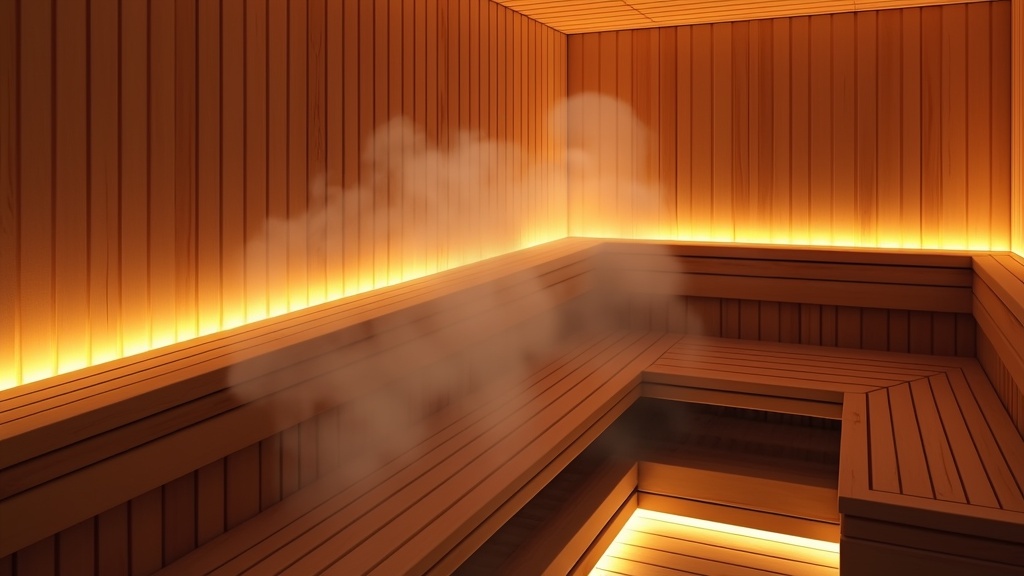
Getting the temperature just right for your sauna is a bit like playing Goldilocks – you don’t want it too hot, and you don’t want it too cold; you want it juuuust right! For traditional saunas, experts suggest a comfy range of 150-195°F (65-90°C), while infrared saunas typically chill at around 120-140°F (49-60°C). Each type has its own charm, but those sweet sauna moments really shine when you’re basking in that perfect heat.
You might have heard buzz lately about how frequent sauna sessions can work wonders for heart health – it’s all about finding the ideal spot for your wellness.
Just like choosing between your favorite flavors of sauna, it’s essential to find the best temperature that suits your health and enhances your experience.
Ideal Sauna Temperatures Explained
Finding the right warmth for your sauna session is key to enjoying the full benefits. Imagine curling up under your favorite blanket after a chilly day—the way the heat wraps around you is exactly what we want in a sauna, usually hanging out between 150°F to 195°F.
Much like feeling that sunbeam on your face during a lazy afternoon, those temperatures boost the health of your blood vessels, helping you leave feeling refreshed and energized. Post-pandemic wellness trends have really taken off, and it’s clear why many people are drawn to the good vibes of a sauna experience. With different types like infrared saunas and classic steam baths, finding relaxation has never been more popular!
Think of it as creating the ultimate smoothie—mixing different sauna styles works like blending your favorite fruits to discover a delicious flavor! Combining elements from Finnish sauna practices with steam helps support your cardiovascular health. This blend brings benefits like improved blood vessel function, better temperature management, and stress relief through sweating and humidity—crucial aspects to nail that sauna experience.
And let’s not forget hydration! Drinking plenty of water before and after your sauna therapy is essential. Pairing smart sauna choices with knowledge of your body’s response to heat makes the whole experience enjoyable and maximizes those health perks.
Finding The Best Sauna Temperature
In light of what we’ve explored about temperature ranges and their impact on health, understanding how to find the best sauna temperature adds another layer to your sauna experience. Choosing the right warmth is like finding the perfect rhythm for a dance; too much heat, and you’re slipping all over the place, while too little leaves you feeling stuck.
The balance is crucial and can unlock a treasure chest of health benefits.
- Temperature Ranges to Consider
- Typical values for traditional saunas hover between 150°F and 195°F, while infrared options sit around 110°F to 140°F. Adjusting the temperature is like fine-tuning the heat for baking cookies—too hot, and they burn; too cool, and they flop. In recent years, especially during the pandemic, many turned to saunas for stress relief. Regular sauna use became a popular way to improve ventilation, lower blood pressure, and enhance overall health.
| Heat Source | Temperature Range | Health Benefits |
|---|---|---|
| Traditional Sauna | 150°F – 195°F | Promotes better ventilation, lowers blood pressure |
| Infrared Sauna | 110°F – 140°F | Enhances overall wellness, helps manage stress |
| General Sauna Use | Varies | Improves relaxation and health |
This journey toward the ideal sauna temperature considers several factors that affect not just your comfort but also the health benefits. Staying hydrated is vital; just as water is essential for your body, it helps manage dehydration and keeps your skin happy in the heat. The experience is much more enjoyable when you tailor it to your needs, boosting relaxation and making each sauna session a delightful escape.
How Hot Should A Sauna Be
Choosing the right sauna temperature can be a lot like figuring out the best way to make cocoa. If it’s too hot, you’ll end up with a big, painful mess. Too cool, and you’re just left feeling chilly! For a traditional sauna, the sweet spot is usually between 150°F and 195°F. If you’re using an infrared sauna, aim for around 120°F to 140°F.
But why does this matter? Well, staying within these temperature ranges can help you relax and enjoy all the health perks, kind of like adjusting your home’s thermostat when the seasons change. Keeping it cozy can promote better blood flow and even help with issues like cardiovascular disease.
With winter rolling in and cold season upon us, wellness experts are talking a lot about sauna benefits. Picture this: stepping into a warm sauna is like wrapping yourself in a soft blanket on a frosty night, right? The ideal sauna temperature boosts relaxation and creates that perfect balance of temperature and humidity. Just remember to hydrate! Drinking water before and after your sauna time can really enhance these benefits and help prevent dehydration, especially in the heat!
Whether you’re enjoying a traditional Finnish sauna or an infrared one, paying attention to your body is key. Finding what feels best can elevate your sauna experience and maximize health benefits. Tailoring the temperature to your preferences helps create an ideal sauna atmosphere, making each visit a chance to refresh and recharge for whatever lies ahead!
Health Benefits Of Sauna Use
After uncovering the ideal sauna temperature, it’s time to explore the delightful health benefits of sauna use. Stepping into a cozy nook filled with soothing warmth resembles the comfort of wrapping yourself in your favorite blanket during a chilly night. This kind of experience not only feels delightful but also comes packed with impressive advantages for your well-being.
Sweat It Out
Imagine your body undergoing a sort of spring cleaning as the heat encourages you to sweat, flushing out accumulated toxins. It’s like returning home from a rejuvenating vacation when you feel lighter and brighter, ready to tackle life again. The process of sweating in a sauna can help improve your skin health too, giving you that fresh-from-the-spa glow!
Boost Your Circulation
The heat enveloping you enhances circulation, much like a steamy cup of hot cocoa that warms you from the inside out. This improved blood flow can aid in healing and promote a happy heart—a real treat for those seeking relaxation and recovery. You might find yourself pondering which type of sauna is right for you. Whether you’re leaning toward a classic option or one of those trendy infrared saunas, finding the perfect sauna for your needs depends on your body temperature, temperature and humidity level, and your preference for dry or wet heat.
Cardiovascular Perks
Regular sauna sessions have been linked to numerous health benefits, making it a good sauna choice for those aiming to promote cardiovascular health. A recent study indicates that people who enjoy saunas frequently experience lower instances of cardiovascular disease, showing how this simple, enjoyable practice can have lasting impacts. Additionally, with winter’s chill in the air, the warmth of a sauna can help regulate your body temperature, making it easier to cope with the stress of changing seasons.
Stay Hydrated!
Just remember: staying hydrated is vital! Drinking water before and after your sauna experience is essential to keep your body functioning at its best. So go ahead, find the perfect sauna experience for yourself, and enjoy the therapeutic benefits that come with it!
Infrared Sauna Vs Traditional Sauna
Building on the incredible health benefits of sauna use, deciding whether to go for an infrared sauna or a traditional sauna is a bit like choosing between two beloved toys—both offer unique experiences worth exploring! These two types of saunas, while sharing some similarities, come with distinct heating methods and benefits that cater to different preferences.
- Key Differences in Heating Methods
- In an infrared sauna, radiant waves gently warm your body directly, creating a cozy environment that feels like basking in sunlight on a chilly day.
- A traditional sauna envelops you in a steamy hug of hot air, making you sweat as if you just finished a fun game of tag on a sweltering summer day.
- Understanding the kind of sauna, its temperature and humidity, as well as your personal preferences can help you tailor your sauna experience to maximize the health benefits for your cardiovascular health and overall wellness.
- For instance, while a traditional sauna usually operates at higher temperatures, the infrared option tends to offer a more gentle heat experience, perfect if you prefer to ease into relaxation.
- Lastly, if the idea of sweating while being wrapped in steam excites you, a steam sauna might just be your calling—providing hydration to your skin while promoting blood circulation!
Understanding Sauna Humidity Levels
Let’s dive into sauna humidity levels! Just like when you take a long, hot shower and the steam makes you feel all warm and cozy, the moisture in your sauna is key for a great experience. Imagine stepping into that inviting, warm space, where the air is just right. It’s a bit like a freshly brewed cup of tea—it absolutely makes all the difference!
Think about how a well-steamed pot of veggies tastes so much better than if they were boiled dry. That moisture takes everything up a notch, right? Getting the humidity just right in your sauna can turn your session from merely sweating into a mini-vacation.
When creating your perfect sauna experience, temperature and humidity are best buddies. Picture how comforting a cozy shower is; the steam makes everything feel more relaxing and refreshing. Balancing the heat and moisture boosts detox benefits while keeping your heart happy and your body all relaxed.
Sauna Moisture Levels
- Proper moisture levels can enhance relaxation and detoxifying benefits, making them vital for your well-being.
- Humidity is crucial for maintaining a comfy temperature, especially with different types of heat in a sauna.
- Experiencing steam can definitely heighten your enjoyment compared to dry heat since this moist atmosphere aids blood flow and keeps your skin hydrated.
- Finding that sweet balance between heat and humidity optimizes the health benefits of using a sauna, supporting good cardiovascular health and making your sauna time even more enjoyable.
Tailoring Your Sauna Experience
Building on the importance of humidity and temperature we’ve talked about, customizing your sauna experience can be a delightful adventure, much like crafting your own perfect smoothie. You mix different fruits to match your taste, and similarly, blending sauna types—like traditional and infrared—enhances your wellness journey, allowing for a unique experience just for you.
Understanding the Types of Saunas
While traditional saunas dial up the heat and humidity, infrared saunas focus on a lower temperature but offer deeper heat penetration, working wonders on your bloodstream and skin. It’s a bit like deciding between wearing a warm winter coat or a snug sweater; both keep you cozy in their own way.
Finding the Right Balance
Striking a balance can lead to a sauna experience that feels just right for your specific needs, promoting good cardiovascular health and relaxation.
Combining Sauna Types
- Choosing Your Ingredients: When plotting your hybrid sauna experience, it’s essential to recognize what each type brings to the table, like carefully selecting the right ingredients for a delicious dish. You wouldn’t want to overwhelm the pot; rather, adjusting the temperature and humidity can create the perfect setting, ensuring comfort while benefiting from the therapeutic effects like improved blood flow and skin hydration.
- Mixing It Up: Also, keep in mind that regularly switching between sauna types can boost your body’s adaptability, similar to how varying your exercises keeps your workouts fresh and your heart healthy. Think of it as enjoying both the heat of a sauna session and the sweet relief of intensity in your exercise routine!
- Stay Hydrated: Incorporating hydration is crucial as well; just like you wouldn’t bake a cake without enough moisture, staying hydrated during your time in the sauna helps maintain your overall wellness and prevents dehydration during those hot moments.
- Listening to Your Body: Ultimately, listening to your body’s cues will guide you in tailoring the ideal sauna experience, maximizing relaxation, and enjoying the wealth of health benefits that come with proper sauna use.
Best Practices For Sauna Sessions
After exploring how to personalize your sauna experience, let’s focus on making sure your sauna time isn’t just cozy but also downright amazing! Just like you wouldn’t jump into a boiling hot bath without checking how hot it is, stepping into a sauna needs a little understanding.
Most people find their comfort zone lands between 150°F to 195°F. If you’re new to the sauna scene, starting with a milder heat can help your body adjust before you turn up the heat. Think of it like a warm hug that gets gradually tighter!
As the heat surrounds you, your body kicks off its detox dance, and soon you’ll start to feel that satisfying sweat! If you’re planning to chill in there for a while, remember to take short breaks to sip on water. Consider it like mixing up your favorite smoothie: you want to find that perfect blend of heat and hydration to enjoy every moment of your sauna experience.
| Comfort Temperature Range | Recommended Breaks | Hydration Importance |
|---|---|---|
| 150°F to 195°F | Take breaks if staying for a while | Sip on water to keep things comfortable |
| Start with milder heat for beginners | Helps body adjust to sauna | Enhances your overall sauna experience |
How Long Sauna Heater Heat Time
What Are The Different Types Of Sauna Heaters Available Sauna Heater Guide