
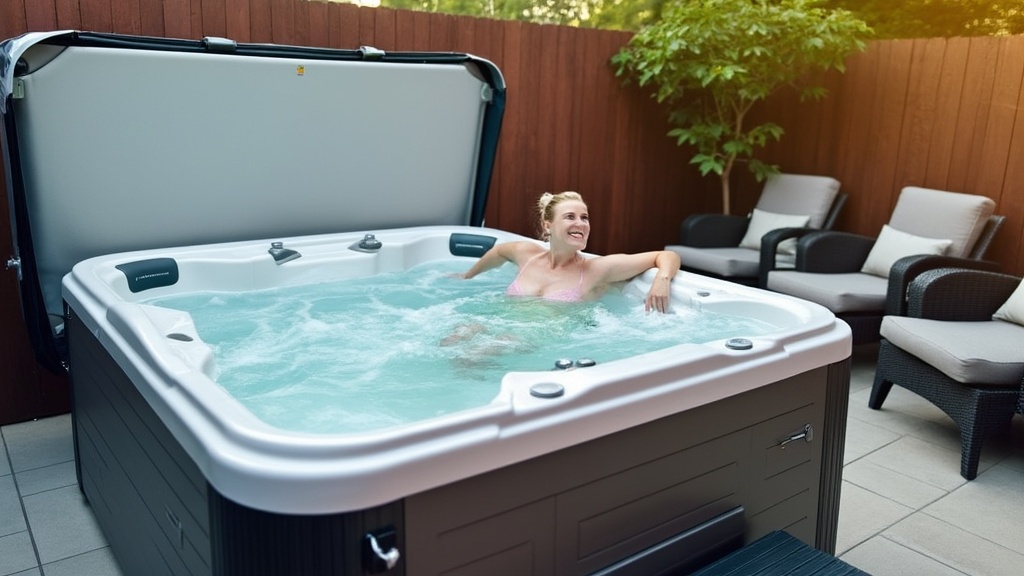
Setting the warmth in a whirlpool is much like brewing the perfect cup of cocoa on a chilly afternoon. You aim for cozy enough to savor each sip without risking a scorched tongue—or in this case, your skin.
The warmth of the water plays a vital role not only in your comfort but also in your overall wellbeing.
For most, the dial is set between 100°F and 104°F, but this can shift according to personal preference, health considerations, and even the season.
Recent studies highlight the potential wellbeing benefits of a soak, so finding that just-right temperature can enhance your relaxation experience.
Understanding Spa Heat Levels
The Perfect Temperature: Cooking Up Comfort
Transition from playing with the idea of finding that cozy temperature to understanding the details, much like choosing the right heat to cook your favorite dish. Too high and it can burn, similar to an overly hot soak leading to discomfort in a spa.
Muscle Relaxation and Wellness Trends
When it’s just perfect, a hot tub acts as a soothing balm, helping your skeletal muscles to let go of tension and stress. This aligns with recent wellness trends—think of how big companies are tweaking their heating, ventilation, and air conditioning systems to make workplaces cozy across seasons.
Adjusting the Temperature for Optimal Experience
Simple adjustments, like balancing the air in a room or choosing the temperature of your hot tub, can make a huge difference. The same thoughtfulness is applied in adjusting your spa’s system for efficient exercise and muscle recovery, whether you’re seeking relaxation in warm jets after work or cooling down after a swim.
The Benefit Of Water Therapy
Imagine the satisfaction of completing a tricky puzzle that’s been challenging you with its tough pieces; finding the right balance of warmth in water therapy is just as rewarding. Just like we need the perfect hot tub temperature to suit our comfort, water therapy offers countless ways to relax, refresh, and nurture your body.
Think of it as stepping into your own personal retreat, where the spa temperature is your shield, enveloping you in warmth and comfort that melts away the stress of your day. This rejuvenating process is as appealing today as remote work has become in changing corporate work policies for better work-life harmony.
My first experience with this gentle therapy was like hitting the reset button on a frozen computer—much like professional athletes who soak in hot tubs for recovery. Warm water is nature’s healing touch, addressing both physical and emotional strains, much like the peace of floating under the sky at the ideal temperature between 102 and 104 degrees Fahrenheit.
Safe Soaking Practices
Sitting back in the soothing embrace of warm water, you’re reminded of the simple pleasure it brings, like Woody from Toy Story spinning a yarn under the stars. Just imagine your buddy Woody offering advice on how to enjoy these bubbling pleasures while steering clear of any discomfort.
It’s similar to finding balance in a new way to relax—like roasting marshmallows without setting the ranch ablaze. Your hot tub temperature should hit the Goldilocks zone—not too hot and not too cool. A recent mishap at a California spa, where hot tub temperatures spiked like toasting marshmallows with a blowtorch, underscores the need for proper maintenance. Ensuring the perfect hot tub temperature, ideally around 100 to 104 degrees Fahrenheit, keeps things comfy and safe.
Equally important as the hot tub water temperature is limiting soak times; experts often recommend stays of 15 minutes at a time to avoid overheating or dehydration. This advice is particularly crucial for children, who are less able to regulate their body temperature. The benefits of hydrotherapy are wonderful, but keeping an eye on the hot tub temperature guarantees a fantastic and safe experience each time you dive into those welcoming bubbles.
Adjusting Spa Temperatures
Picture setting the temperature of a hot tub like choosing the perfect mix of songs for an unforgettable playlist. Just as the right tune can elevate your mood, finding the ideal hot tub water temperature is crucial for creating a cozy retreat that suits your personal needs.
It’s kind of like getting that blissful sync when each note hits just right in your favorite song—temperature should a hot tub align perfectly with what feels best for you. Adjusting the warmth of the spa temperature to match your own comfort needs is like tailoring a favorite playlist to fit your mood, enhancing relaxation and well-being.
If you’ve taken 15 minutes at a time to soak in your hot tub, you may already know how much a comfortable temperature can boost your hot tub experience. Nowadays, with everyone’s eye on saving energy, picking the right temperature for your hot tub serves two goals: it crafts a welcoming atmosphere while also being smart about energy use. By experimenting and finding the balance that’s right for you, you elevate the benefits of a hot tub and encourage resource-efficient relaxation.
| Aspect | Benefit |
|---|---|
| Optimal Temperature | Enhances Relaxation |
| Energy Conservation | Reduces Resource Usage |
| Temperature Adjustment | Matches Mood |
| Limited Soaking Time | Increases Efficiency |
Exploring Hydrotherapy Advantages
Think about how we just talked about adjusting your spa’s temperature, like curating that perfect playlist. Now, let’s jump into how the right water conditions can turn your hot tub into a sanctuary—a true escape from the busy world of today.
These days, wellness is shining in health summits and discussions, with experts praising the refreshing magic of warm water therapies. Imagine stepping into your sun-kissed haven, where the soothing water hugs you, melting away stress and sharpening your mental clarity like a focused cowboy ready for a showdown.
By paying careful attention to choosing the right warmth—just like picking the tempo of a melody—you can avoid discomfort. It’s like simmering under a scorching midday sun. Aim for sweet spots around 100 degrees Fahrenheit, which healthcare professionals often highlight to enhance your soaking experience safely.
Maintain this balance for cherished hot tub comfort, much like keeping Woody’s stories captivating without rambles. Follow the wisdom of experts, like those from the Consumer Product Safety Commission, enhancing health benefits while avoiding heat stroke risks by consulting a professional. Whether adjusting this aquatic retreat for your personal preference or a peaceful communal gathering, these steps ensure every dip enriches, relaxes, and revitalizes your spirit. Who knew you could turn your backyard into a blissful haven with a touch of hot hydrotherapy magic?
The Role Of Thermoregulation
After diving into the soothing waters and the art of adjusting temperatures, let’s now talk about the hidden superhero within us all—our body’s extraordinary ability to regulate heat and keep us comfy. Just like the perfect hot tub temperature that tunes your muscles and mind, our bodies have a clever system that naturally keeps things balanced, even during a luxurious soak.
Our internal system, much like a well-oiled thermostat, keeps our body temperature hovering around that cozy 98 degrees Fahrenheit, enabling us to feel at ease regardless of external climates. This mechanism isn’t just vital for our spa experience; it echoes the global conversation around temperature changes affecting our planet. Think of this as your own personal story of climate regulation on a smaller scale, one that kicks into gear whether you’re basking beside your spa or facing a particularly warm day.
As highlighted in recent environmental news, staying informed about climate fluctuations is as crucial as checking with a professional before enjoying a hot soak to secure comfort and safety. Just like the hot water in a spa, maintaining the right body temperature is essential for a blissful escape and health-conscious practice. Remember that exceeding 104 degrees Fahrenheit in your spa experience might push your body’s regulation abilities a tad too far, similar to how extreme climates stretch Earth’s limits.
Adjusting your spa’s temperature is akin to tapping into the power of your own internal thermostat, aiding relaxation and relieving stress through hydrotherapy. Much like a cowboy relies on trusty steeds to travel the vast expanse, understanding and respecting your body’s responses make for the most rewarding dip into the bounty of benefits these bubbling waters can provide. This is an invitation to utilize professional advice before enjoying a hot soak, ensuring a seamlessly delightful experience.
Health Implications Of Spa Use
Imagine immersing yourself in a hot tub, where stress melts away like snow under the heat of the sun. These cozy retreats aren’t just for fun; they bring real health benefits to both mind and body.
The gentle embrace of warm water feels like your body getting a comforting hug, much like when skeletal muscle relaxes after a long day of exercise. It’s like pressing a reset button on your mental and physical energy.
Think of these relaxation hotspots as nature’s balm, soothing away stress and reducing those pesky cortisol levels. It’s like finding the exact temperature should a hot tub provide to dissolve pressures of modern life, offering a truly harmonious experience.
With many of us turning our homes into personal retreats during lockdowns, backyard hot tubs became a sanctuary—a reminder of the healing powers of hydrotherapy. After all, natural hot springs have been celebrated for centuries for their rejuvenating properties.
This discussion highlights how soaking in a hot tub can synchronize mental peace with physical wellness. They’re more than just warm baths. They’re personal havens leading you to improved well-being and a balanced life.
Optimizing Your Spa Experience
Think of soaking in your spa as a mini-vacation that caters to your mind, body, and spirit. The way we dress warmly during a cold snap is like adjusting your hot tub temperature—keeping it cozy and just right. It’s all about finding that perfect hot tub temperature, somewhere between 100 to 104 degrees Fahrenheit, akin to finding the snug space in your favorite Western saddle.
Picture yourself sinking into warm water, each jet gently massaging your muscles like a tailor-suited outfit. It’s reminiscent of a musician tuning their guitar to the perfect pitch. Just as music needs harmony, your hot tub use thrives on balance, offering a customized experience that engages all your senses.
Recently, many hot tub owners have been transforming their soak spaces into nature-inspired retreats, like stepping into a hot spring hidden deep in the woods. While indulging in this serene setting, it’s crucial to maintain a safe water temperature, comparable to how you’d choose well-fitted cowboy boots for a barn dance. Ultimately, setting your hot tub temperature to enhance hydrotherapy benefits ensures a soothing, safe, and inviting escape from the bustle of daily life.
Getting the warm embrace of your hot tub just right can truly elevate your relaxation experience. Most folks settle into a cozy range of about 100 to 104 degrees Fahrenheit, which is a lot like finding that perfect temperature for a cup of cocoa—not too hot to scald your tongue, but just warm enough to wrap you in comfort.
There’s been a lot of buzz in the news about the wellness benefits of soaking in warm water, especially with the increasing stresses of everyday life.
Think about how a long day can leave your muscles feeling like they’ve just run a marathon. A hot tub can be your personal recovery zone, similar to how a warm blanket can soothe you after a brisk walk on a chilly day, providing the perfect heat to aid thermoregulation and enhance your overall health through hydrotherapy.
Understanding Spa Heat Levels
Let’s focus on finding that cozy warmth for your hot tub, much like crafting the perfect cup of coffee. The temperature for your hot tub is like the ideal balance of ingredients in a recipe; too hot can burn, while too cool can feel underwhelming! Most hot tub owners find that the sweet spot lies around 100-104°F. Can you imagine? Sinking into a bubbly bath after a long day, where the soothing heat melts away muscle pain like snow in the sun, just like enjoying a dip in a heated swimming pool. Your body can truly unwind, feeling weightless like you’re floating in a peaceful oasis. Think about how outside factors, like the chilly winter air, can encourage you to raise the temperature, transforming your spa into a warm retreat. It’s all about that perfect hot tub temperature that wraps you in comfort and relaxation.
The Benefit Of Water Therapy
Recharge with Water
Picking up where we left off, think about the soothing effects of a cozy soak after a long day; it’s your very own way to recharge, like a trusty toy getting a much-needed rest. Instead of reaching for the remote or grabbing a snack, why not sink into the warm embrace of water? It’s not just pampering; it’s a mini-vacation for your body, right in your bathroom!
The Magic of Warm Water
So, what’s really behind this magical experience? Imagine the water cradling you like a warm hug from your best friend, as it lifts you up and releases the tension built up from the day. The warmth of the water acts like a gentle wave, washing away stress and enveloping you in comfort. When you find that sweet spot—ideally around 102 degrees Fahrenheit—you recreate that spa-like experience at home, letting your muscles melt and your worries float away.
Finding Your Perfect Temperature
Maintaining your hot tub temperature around 102 to 104 degrees Fahrenheit is essential for optimal hydrotherapy. It’s like keeping the temperature just right for the perfect cup of hot cocoa; if it’s too hot, you risk a burn, and if it’s too cool, well, it just doesn’t hit the same. The buoyancy of the warm water encourages better thermoregulation, helping your body manage stress and recover from those minor aches and pains you face every day. So whether you’re soaking for relaxation, recovery after exercise, or simply enjoying the moment, knowing the ideal water temperature is key to a delightful hot tub experience.
Safe Soaking Practices
Now that we’ve explored the cozy warmth and therapeutic benefits of hot tubs, it’s equally important to understand how to soak responsibly. Enjoying your hot tub is like going for a swim in a warm, inviting swimming pool; it should be a relaxing experience, but you must also keep a close watch on a few safety tips.
Just like the perfect cup of cocoa needs to be warm but not scalding, the temperature of your hot tub should ideally be kept between 100 and 104 degrees Fahrenheit. We’ve seen recent reports of people struggling with overheating during hot summer days. This reminds us to regularly check that temperature before settling into those inviting bubbles.
Hydration is key while soaking. Picture yourself wrapping up a tough workout and reaching for a refreshing drink; skipping that would be unthinkable! The same goes for soaking in a hot tub. Staying hydrated should be on your to-do list. Keeping your hot tub experience enjoyable involves monitoring the water temperature and making sure you have cold water or other refreshing beverages nearby.
Also, consider how long you want to stay in the tub. Experts recommend taking breaks. If you’re using the hot tub with others, breaks are necessary. Just like toys need a break after a day of play, your body benefits from giving itself a rest. Aim for sessions of around 15 minutes at a time. Then hop out to cool down and rehydrate before diving back into the relaxing warmth.
Incorporating these safe soaking practices while enjoying your hot tub can transform your time into a perfect place for relaxation and rejuvenation. All while ensuring you keep your health front and center. So, the next time you’re about to sink into those soothing waters, remember these tips and embrace the warmth responsibly!
Adjusting Spa Temperatures
Building on our talk about safe soaking practices, let’s get into how to set the water just right for a cozy soak. Just like not every dish should be served boiling hot or ice-cold, the water in your hot tub needs its own comfort zone, too. Think of it like tuning a guitar; finding that sweet spot makes all the difference for a great experience!
Most people say that the ideal hot tub temperature ranges from 100 to 104 degrees Fahrenheit. But how do you get there without turning your relaxing retreat into a bubbling pot? Consulting with a professional is a smart move. They can help you figure out the best temperature for your hot tub, ensuring you’re soaking in perfect warmth without any discomfort.
Hot Tub Temperature
- The golden range for hot tub water is generally between 100 to 104 degrees Fahrenheit.
- Water that feels hotter can lead to hyperthermia and discomfort.
- It’s wise to check in with a professional to find the best temperature that fits your personal preferences and safety tips.
- Staying in a hot tub for just the right amount of time maximizes advantages, especially when it comes to hydrotherapy benefits for your health and comfort.
Exploring Hydrotherapy Advantages
Now that we’ve talked about keeping your soak safe and setting the cozy mood, let’s explore the fabulous world of hydrotherapy. Imagine feeling as relaxed as a toy lying under the stars after a long day of play—this is what soaking in warm water can do for you! Recently, many have discovered the joys of home hot tubs and local spas. These soothing retreats have become popular for self-care, especially as life became more hectic during the pandemic.
Water therapy is like giving your stress a much-needed vacation. Picture this: sinking into a hot tub feels like a warm hug from a beloved friend, washing away the day’s worries. Even athletes have begun to use hydrotherapy for recovery. By using the right temperature—around 100 degrees Fahrenheit—they cool down their muscles and soothe pain while staying alert to the risks of heat stroke. Always remember to check with a doctor before using a hot tub, as they can help determine the ideal temperature for your hot tub soak.
This method assists with muscle recovery. It promotes circulation that helps pump fresh blood to tired skeletal muscle. This rejuvenates your body after a workout or a long day on your feet. Just like those friendly toys helping each other in Andy’s room, hydrating in warm water supports our health, especially when it comes to exercise recovery.
When you think of soaking, remember to pay attention to the water temperature. It’s key to enhancing relaxation while preventing risks associated with prolonged exposure to hot conditions. Balancing relaxation and benefits is essential, so listen to your body. Keeping sessions to about 15 minutes at a time allows your body temperature to adjust gently. Always hydrate and cool down before hopping back in that perfect hot tub!
The right temperature doesn’t just enhance the experience; it makes your time in the water even more beneficial. So go ahead and indulge while remembering to embrace that cozy warmth responsibly!
The Role Of Thermoregulation
After discussing the cozy warmth of your hot tub and the amazing benefits of hydrotherapy, it’s essential to understand how our bodies manage that warmth. You know, just like you adjust the thermostat when it gets too chilly inside, your body works hard to keep everything balanced. This is especially true during extremes, like the recent heat waves peaking at an uncomfortable 104 degrees Fahrenheit.
While folks share clever hacks for staying cool in such sweltering weather, our bodies continuously tweak their heat management systems. This process is called thermoregulation. It’s your body’s natural way of finding that perfect balance, much like figuring out the ideal temperature for your hot tub.
When you think of soaking in a hot tub, remember that hot tub water usually sits at a comfy 98 degrees. This temperature is ideal for relaxation. But, cranking it up to the upper limits of 104 degrees Fahrenheit could lead to discomfort or even health issues. So, it’s always wise to check with a medical professional before using your hot tub. This is particularly important during colder months when you might want to adjust the temperature to a slightly lower range for safety.
Temperature Regulation
- The human body maintains a core temperature around 98.6 degrees Fahrenheit. It does this through various physiological processes.
- Extreme heat can lead to heat-related illnesses, such as hyperthermia and heat stroke, if the body fails to cool down effectively.
- Hot tub water typically ranges from 100 to 104 degrees Fahrenheit. Staying there for too long can be risky, especially for those with specific health conditions.
- It’s a good idea to consult a medical professional before using a hot tub, especially for folks with cardiovascular concerns or during pregnancy.
Health Implications Of Spa Use
Following our conversations about body temperature management and the cozy allure of warm water, let’s take a closer look at how using a spa can significantly benefit your health. Stepping into a spa can feel like settling into a warm hug on a chilly day, wrapping your body in comfort after a hectic week. Picture this: you’re surrounded by the soothing sound of water and the gentle scent of lavender, creating a peaceful oasis.
Relaxation and Muscle Relief
This calming experience isn’t just about relaxation; the heat from the spa works wonders on your muscles, similar to how wrapping yourself in a cozy blanket eases stress. With the recent buzz around wellness and self-care trends, many folks are seeking ways to unwind, especially with the hustle and bustle of modern life making headlines everywhere.
The Power of Warm Water
Now, let’s explore a bit further! Regular visits to a spa are like connecting a power source to your body. The warmth increases circulation and promotes relaxation, similar to the perfect hot tub temperature that rejuvenates you after a wild week. Recent studies show these temperature settings can significantly enhance the benefits of water therapy, making modern hot tubs an ideal choice for relaxation and wellness.
Muscle Recovery and Pain Relief
Moreover, soaking in warm water not only stimulates blood flow but also aids in reducing muscle tension and pain. It’s like giving your skeletal muscles a warm blanket of relief, allowing them to recover from exercise or a long day. Just as a child enjoys splashing around in a swimming pool without a care, adults can find joy and rejuvenation in their own home hot tubs.
Temperature and Safety
It’s essential, though, to monitor the heat. Staying within the comfortable temperature range is crucial to enjoying these benefits without the risk of hyperthermia or heat stroke. So, while setting your hot tub, keeping the water temperature around 100 to 102 degrees Fahrenheit is highly recommended for a safe and enjoyable experience.
Mental Well-Being
Finally, taking the time to unwind in a hot tub can also promote mental well-being. As you soak, your body temperature gradually increases, signaling your brain to relax and release those feel-good hormones that help combat stress. Just like Woody and Buzz reminding each other that they’re in this together, regular self-care rituals can keep you grounded and support your health through life’s ups and downs.
Optimizing Your Spa Experience
Building on our talk about the fantastic health benefits of warm water and relaxation, let’s dive into how you can get the most out of your hot tub experience. Picture this: curling up under a cozy blanket in your living room. That same comfort can be yours in your hot tub when you set the water temperature just right—around 100°F is usually the ideal temperature for your hot tub during winter months.
Just like a skilled cowboy knows the importance of a solid saddle, ensuring safety is key too. The U.S. Consumer Product Safety Commission suggests keeping things cool enough to reduce risks, especially for older adults or those with specific health issues.
When you first slip into the water, dip your toes and let the warmth welcome you. Start at a lower water temperature and take breaks every 15 minutes. This can help you figure out how your body reacts. You may find that experimenting with different hot tub temperatures, as recommended by the U.S. Consumer Product Safety Commission, helps you discover the best balance of comfort and safety. A range of 100 to 104 degrees Fahrenheit is particularly important for older adults or those with specific concerns, beginning with shorter sessions of 15 minutes at a time.
Key Points About Hot Tub Safety and Enjoyment
- The comfortable temperature for your hot tub during winter months is generally around 100°F.
- Taking breaks every 15 minutes helps monitor how your body is feeling.
- For older adults or individuals with health conditions, a water temperature of 100-104°F is crucial for safety.
- Starting with shorter soaking sessions can ensure a safe and enjoyable hot tub experience.
Are There Health Risks Associated With Using A Hot Tub Hot Tub Myths Fact Or Fiction
How Often Should A Hot Tub Be Cleaned Spa Drain Refill Tips