
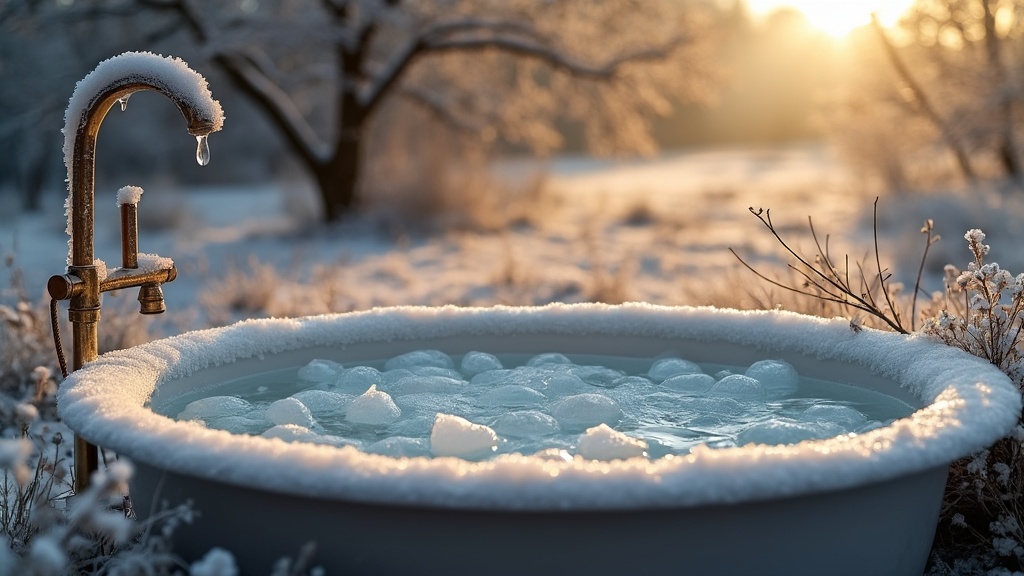
Imagine you’ve just finished a marathon, feeling every muscle scream for relief as you cross the finish line. That’s where the magic of icy water swoops in like a mighty wave.
Athletes often use this chilly technique to mend their weary bodies.
It’s like giving your worn-out engine a much-needed cool-down session, to prevent it from overheating.
When tackling muscle pain after intense exercise, think of a cold plunge as your personal, on-call firefighter. This frosty dip can significantly tame the flames of swelling and inflammation, helping you get back on your feet faster.
Surprisingly, recent research even suggests these icy immersions can steel your mind, building a mental toughness that rivals an old cowboy’s grit.
Take my friend as an example. After he embraced ice bath benefits following recommendations from the Mayo Clinic, he noticed a significant reduction in inflammation and muscle pain after strength training.
The Science Behind Cold Plunge
Consider how icy immersion can soothe like the way mechanics cool an overheated engine—an effective method for quick recovery after strenuous exercise. Athletes and wellness enthusiasts use this technique, sharing successes like legendary sports figures who rely on it for fast recovery from tough events.
Research strongly supports this. In fact, immersing in ice-cold water offers substantial advantages for human physiology.
Think of dialing back the heat when the sun blazes outside—ice therapy prompts the body into adaptive responses, embracing the chill. Imagine your body as a high-performance machine, similar to the latest tech gadgets. Post-exercise, these tech muscles, like gadgets, face overheating, giving rise to delayed onset muscle soreness. To avoid this, like tech needing cooling fans, cold therapy enhances muscle health by causing vasoconstriction. This reduces muscle soreness, supports blood flow, and contributes to cardiovascular health while boosting overall well-being.
How Ice Baths Aid Muscle Recovery
Imagine yourself after a grueling workout. This is where that icy plunge becomes the unsung hero of muscle recovery, acting like a refreshing dive into a pool that revitalizes tired muscles much like replacing worn-out strings on a guitar.
Just as these strings show signs of wear, so do muscles after intense exercise, resulting in tiny tears and soreness that need nurturing.
The Science Behind the Cold Plunge
When you hop into that chilly dip, think of it as resetting a lagging computer. Cooling your body is like using ice on a sprained ankle to ease pain. Recent research shows that this cold water immersion can simplify pain management. A short ice bath can activate brown adipose tissue, which might regulate blood pressure and stimulate metabolism, making muscles and the whole body feel better as they recover. It’s like giving a car an essential tune-up for improved performance and endurance.
- Submerging in cold water reduces muscle pain, creating effects similar to icing a sprained ankle.
- Brief ice bath sessions may trigger metabolism, supporting muscle recovery and enhancing strength.
- Cold water exposure aids in pain management and helps regulate blood pressure by activating brown adipose tissue.
- Combining heat and cold exposure supports improved recovery efforts and promotes health benefits.
Exploring The Health Benefits
Reflecting on our earlier chats about icy immersions cooling the body after a workout, another intriguing aspect appears—how these chilly plunges could be your go-to gadget for overall well-being. The trend for ice bath therapy isn’t just making waves in post-exercise circles; it’s standing out like a new app that promises essential health benefits.
Today’s wellness routines resemble an ever-evolving app menu on a smartphone, meticulously crafted to meet diverse needs. Just like a software update removes sluggishness, a sauna session can relax you. In contrast, taking an ice bath refreshes blood circulation, much like giving your phone a battery boost. It reinvigorates, supports recovery, and aids overall health.
Lately, sports enthusiasts have embraced cold therapy to combat inflammation and muscle pain, akin to joining a viral social media challenge. The enthusiasm for this practice mimics the excitement over a trending hashtag, with many participants attesting to real results. Incorporating an icy cold tub for immersion within your cryotherapy routine might effectively reduce swelling and muscle soreness. This practice can enhance active recovery, bolster cardiovascular health, and even offset some risks of injury.
Understanding Cryotherapy And Its Effects
Much like the earlier discussions on revitalizing muscles with icy plunges, we now explore an extended family of cold therapies known as cryotherapy. Imagine your body as a locomotive working tirelessly on rugged terrain; these frigid therapies act like the pause that refuels the engine, enabling it to perform better.
This modern approach to recovery has captured the attention of athletes worldwide, especially since the Olympic community popularized it for quick recovery. It’s as if athletes are swapping out their trusty ice packs for something cooler and more sophisticated.
The journey into cryotherapy reveals that stepping into brief, intensely cold environments can be like dunking into a brisk canyon breeze, reviving your circulatory system and rebooting your body in a fast-paced, tech-savvy world. According to recent insights, leveraging this method may enhance cardiac health, reduce inflammation, and hasten post-exercise recovery, akin to the fresh promise of a cool morning breeze as explored in sports medicine communities.
Cold Recovery Methods
- Preferred by Olympic athletes, cold recovery methods like cryotherapy are gaining rapid popularity for their swift recovery benefits.
- These practices enhance blood circulation, contribute to cardiovascular wellness, and effectively mitigate inflammation.
- Collectively, these cold therapies play an instrumental role in post-workout recovery, aligning with findings from ongoing sports medicine research.
The Health Benefits of Cryotherapy
Think of cryotherapy as a brisk winter walk that refreshes both body and mind. Stepping into these icy realms can jumpstart the metabolism, leading to improved muscle health and stress reduction in daily life. It is akin to taking a plunge into a refreshing pool on a hot day!
Beyond the athletic world, the health benefits of cryotherapy extend to those seeking enhanced mood and better sleep patterns. Much like the thrill of a cold plunge into clear water, these treatments can invigorate and energize your body, promising a chill future free from ailments.
The Role Of Vasoconstriction In Pain Management
Expanding on our exciting conversations about icy therapies improving recovery, let’s imagine stepping into a delightfully chilly stream to escape the sun’s heat, much like recent efforts to find respite in intense heat waves reported globally. This cool plunge isn’t just soothing; it’s a clever tactic to help reduce discomfort and inflammation in the body.
Picture, if you will, athletes immersing themselves in these cold baths after intense games. The magic happens as vessels constrict, similar to a well-timed brake on a speeding bicycle, slowing blood flow and easing inflammation and soreness brought on by strenuous activity. This technique may not only address muscle pain and delayed onset muscle soreness but also enrich your wellness toolbox.
Exploring cold immersion therapy could enhance your recovery strategy, contributing to better overall physical fitness and stress relief. However, it’s essential to consider the potential risks associated with these therapies, especially if you have underlying health conditions. As you navigate these icy waters and venture into cold bath rituals, remain aware of your body’s cues and understand the importance of timing and duration during each session. Staying informed could not only optimize your personal wellness journey but also align with the growing consensus in sports medicine research regarding cardiovascular health benefits and metabolic boosts from strategic cold exposure.
Cold Water Therapy And Blood Circulation
Think of cold water immersion as a brisk plunge into an icy pool on a sweltering day—it jolts your energy system awake. Much like icy cold winds that reinvigorate on a hot afternoon, this method, loved by athletes, helps reduce inflammation and speeds up recovery after intense exercise. Imagine it like giving your muscles an ice bath refresh, similar to using an ice pack. Its secret weapon? Vasoconstriction—picture a traffic cop expertly directing the flow of blood.
By working to tighten and relax blood vessels, this technique boosts circulation and offers potential cardiovascular health benefits. Top health places like the Mayo Clinic back these benefits, highlighting this approach’s positive impact on heart health. If cold plunges are new to you, think of it like dipping your toes into water before jumping all the way in. Start with short periods of cold exposure, gradually extending the time to fully embrace cold immersion. As with taking on new workout routines, baby steps in cold exposure bring longer-lasting benefits. It can reduce inflammation, promote muscle growth, and even improve sleep quality.
| Benefits of Cold Plunge | Expert Recommendations |
|---|---|
| Reduces swelling | Begin with short cold showers |
| Aids faster recovery | Slowly increase exposure time |
| Improves cardiovascular health | Supported by Mayo Clinic |
How Cold Exposure Boosts Immunity
Let’s step into the cool world of cold exposure and see how it helps our immune system. Picture holding an ice pack on a hot day; that sudden chill refreshes you, right? Well, that same chill might be giving your immune system a brisk boost, much like helping an old car engine roar to life.
Think of standing in cold conditions as if you’re an athlete training for a big race. It trains your body’s defenses to become tougher. Just like athletes jumping into a cold-water immersion post-workout to recover quickly, being in chilly spaces might wake up a squadron of white blood cells ready to fend off any invaders.
This icy adventure isn’t just for daredevils. Many folks swear by stepping under icy cold showers and feeling both awake and renewed, like when you’re skiing or playing in snow. These activities can release endorphins and support muscle recovery, making you feel energized.
Another cool thing? Cold exposure ties into the body’s metabolism. Picture it like sparking brown adipose tissue, which is vital for keeping body warmth and battling cardiovascular disease. Cold experiences may also help ease inflammation and lift overall health by calming stress levels. So, while that first chill may catch your breath, it might also be fortifying your body and brightening your day.
Tips For Safe Cold Water Immersion
As we’ve seen with cold therapies and their impact on the immune system, taking a refreshing dip can be like going on an adventure if done correctly. Picture preparing for a journey into the chilly unknown, where planning is your best buddy.
Keep Your Safety Gear Handy: Imagine this as Woody making sure he always wears his hat. Before you jump into the cold water, have a thermometer ready, and use warm layers for afterward.
Recent stories about the thrilling yet risky polar bear plunges show that preparation is key!
Listen to Your Body: Think of your body as Bullseye, Woody’s faithful horse. If it starts to shiver, it’s saying to ease up a little.
These gentle signals could save you from discomfort and soreness after you step out. Enjoy this wellness adventure carefully!
Cold Water Plunges
- Safety gear is vital for cold-water activities to avoid hypothermia and other cold-related issues.
- Checking the water temperature with a thermometer ensures safe conditions before taking the plunge.
- Being mindful of signs like shivering is important and signals when it’s time to warm up.
- Proper preparation with gear can help reduce post-immersion muscle soreness and soreness.
After a grueling workout, you might feel like you’ve just gone ten rounds with a giant toy, right? But what if there was a way to recover faster, like bouncing back from a tumble? Enter the cold plunge! It’s like a superhero for your post-exercise routine.
Research, including some insights from the Mayo Clinic, shows that these chilly baths can work wonders for your body. They help tackle inflammation and muscle soreness—think of it as using a water balloon to cool down a lively fire after a backyard BBQ.
Just like how that fire needs to chill, your muscles benefit from a little icy treatment.
And here’s the kicker—it’s not just about the discomfort of the ice bath; it’s a plunge into a world of health benefits that can enhance your exercise routine, reduce pain, and promote recovery from strength training, as supported by research from the Mayo Clinic.
The Science Behind Cold Plunge
Building on our discussions about effective recovery methods, many folks are now taking the plunge into cold therapy for its impressive health benefits. Picture this trend like the resurgence of classic toys; it’s both nostalgic and packed with perks for your well-being! Wellness enthusiasts and athletes have been buzzing about the power of cold exposure, proudly sharing their experiences in a wave of excitement across social media platforms.
With the world of health and fitness expanding rapidly, you might find yourself curious about this frosty phenomenon. When your body encounters a chilly environment, it reacts much like a startled rabbit—heart racing and senses heightened! Think back to a frigid morning where stepping into a cold shower jolted you awake; that sudden chill can kickstart your circulatory system, promote better muscle recovery, and even lift your mood while helping your heart and immune system.
Research shows that submerging in cold water contributes to vasoconstriction, which is when blood vessels tighten to enhance blood flow and combat inflammation. Imagine it as sending reinforcements to tired muscles after strenuous exercise. As your body adapts to these frigid dips, it may improve thermoregulation and support your physical fitness goals, aiding in muscle recovery, reducing delayed onset muscle soreness, and even improving your sleep quality. This refreshing approach offers a multitude of health benefits, fostering a robust mindset while tackling the stress that comes with daily life. Diving into icy waters could be just the trick to complement your workout routine and elevate your overall wellness!
How Ice Baths Aid Muscle Recovery
As we explore the benefits of cold therapy and its rising popularity, let’s take a closer look at how ice baths specifically help our muscles bounce back after tough workouts. Think of it as giving your body a refreshing restart, much like rebooting your favorite console after a long gaming session!
So, what exactly happens during these chilly encounters? Imagine the rush of jumping into a cool lake on a summer day—instantly invigorating and surprisingly refreshing! Athletes from the recent Olympics have been taking these icy dips to boost their recovery routines, and their experiences are sparking interest across the globe, helping to show the benefits of ice baths.
A major advantage of these chills is their power to minimize inflammation, much like how you would put an ice pack on a sore muscle after a mishap. When you immerse in cold water, your blood vessels constrict, which helps reduce swelling and enhances blood flow. This increase in circulation not only speeds up recovery but also activates processes that support muscle growth and physical fitness, making ice baths a go-to tool for anyone looking to recover effectively.
Ice Baths
- Ice baths can significantly reduce muscle soreness and inflammation after intense workouts, giving you a clearer path to recovery.
- Cold water immersion promotes faster recovery by enhancing blood flow and nutrient delivery to tired muscles, essential for overall physical fitness.
- Research on ice baths shows that cold exposure can activate brown adipose tissue, which plays a role in burning calories and reducing stress in the body.
- Athletes frequently report improved performance and endurance as a direct result of regular cold therapy practices, proving they really help you take the plunge into better recovery.
Exploring The Health Benefits
After chatting about how ice baths play a major role in muscle recovery, let’s shift our attention to saunas, which have been making headlines lately. Imagine stepping into a sauna as that soothing hug after a long, tough day, doing wonders for your recovery and wellness. Picture yourself wrapped up in your favorite blanket, feeling all warm and cozy—that’s the kind of comfort a sauna can bring!
Now, think about combining both traditional and infrared saunas! It’s like crafting the perfect recipe that blends a rich, dark coffee with a smooth espresso shot—a delightful boost for your body! Recently, buzz around hybrid sauna experiences has taken off, with many enjoying the combined warmth benefits to tackle stress and improve blood flow. This blend of heat can not only relax your muscles but also enhance recovery, much like how taking an ice bath can help reduce inflammation after exercise.
When picking out the right sauna heater, make sure to choose wisely. Using the wrong heater is just like trying to bake a cake in a microwave—it’s a recipe for disaster! This idea relates closely to how skipping proper techniques in cold water immersion can turn a helpful plunge into an ineffective attempt at easing inflammation and soreness, undermining the valuable health benefits of ice baths and warm therapies. Knowing these methods is key for anyone looking to boost their fitness routine and help with recovery in sports medicine.
Understanding Cryotherapy And Its Effects
Let’s dive into the frosty world of cryotherapy, a cool way to enhance recovery after workouts. Imagine finishing a tough training session and treating yourself to an icy plunge, like jumping into a chilly lake—this is a go-to for many athletes looking to bounce back quickly.
Just like ice baths that help with sore muscles and reduce inflammation, cryotherapy taps into that same chilly vibe to boost overall wellness. From high-profile athletes to Hollywood stars, more people are catching on to this speedy recovery method.
Think of your favorite athlete, say LeBron James, using cryotherapy to recover from grueling training sessions or injuries. It’s reminiscent of that blissful relief you get from a cold pack on sore muscles—but much, much colder!
So, what happens during this cool treatment? Picture your body experiencing a roller coaster of temperatures. Exposure to extreme cold can spark processes that enhance blood flow, similar to those benefits you get from ice baths. This icy treatment promotes vasoconstriction—where blood vessels tighten—followed by vasodilation—where they expand. This helps your circulatory system work more efficiently, leading to faster recovery from exercise while effectively reducing muscle soreness and inflammation.
Cold Therapy
- Cold therapy, including cryotherapy, is great for minimizing soreness and inflammation after workouts, upping your physical fitness game.
- Athletes like LeBron James often use cold treatments for recovery and boosting performance.
- This chilly method stimulates blood flow and speeds up healing for injuries, making it vital in sports medicine.
- With its rising popularity among athletes and celebs, cryotherapy is a modern twist on traditional recovery practices.
The Role Of Vasoconstriction In Pain Management
Building on our previous talks about cold therapies like cryotherapy and ice baths, let’s explore something interesting: how your body uses vasoconstriction and vasodilation to manage pain. Imagine stubbing your toe, like an alarm ringing in your body, saying something’s off. When pain hits, your body kicks into gear, like a superhero rushing in to help.
This response is like when you bump your knee against the coffee table; you automatically tend to it. That rush of sensations? That’s your body saying, “Hey, let’s take it easy on that spot!” It connects to a larger picture involving your circulatory system and managing pain.
You’ve likely seen pro athletes using ice packs after games, right? Their logic is spot on! They know that cold therapies help cut down on muscle soreness and swelling. It’s kind of like the soothing relief you get from a cold plunge, which calms sore muscles while weighing the risks and benefits for your overall health and performance.
When you apply cold therapy, vasoconstriction happens first. Blood vessels tighten up, which limits blood flow and reduces swelling. Once you warm up again, vasodilation kicks in, letting blood flow increase, which helps in recovery. This two-step process really aids in bouncing back from exercise, boosting muscle growth and easing delayed onset muscle soreness (DOMS).
Benefits of the Process
- Vasoconstriction is key for lowering inflammation and managing pain after exercise; it serves as a natural first aid mechanism.
- Athletes tap into these physiological benefits, especially post-intense workouts or injuries.
- Grasping how these processes work enables people to use cold therapy effectively, enhancing their fitness routine.
- Research shows that cold water immersion and cryotherapy can significantly aid recovery, making them common tools in sports medicine.
Cold Water Therapy And Blood Circulation
Have you ever jumped into a cold pool on a hot day? It’s that shocking feeling that makes your heart race and your skin tingle! Cold water therapy is a bit like that. Recent trends show many people are taking the plunge, literally, into chilly waters, and guess what? It’s not just for a refreshing thrill—it actually does wonders for your blood circulation!
When your body meets the cold water, it causes your blood vessels to tighten up—a process known as vasoconstriction. Think of it like when you squeeze a tube of toothpaste. By applying pressure, you force the paste out, right? That’s similar to what happens with your blood. As those vessels tighten, blood gets redirected to your most important organs to keep them warm and functional. But when you warm back up, the blood flow increased, which can improve recovery and help reduce swelling. Studies even show that using ice baths can assist with muscle growth and give you that much-needed boost for better sleep afterward.
| Effect of Cold Water Exposure | Benefits for Recovery |
|---|---|
| Vasoconstriction redirects blood flow to vital organs | Enhances recovery after exposure |
| Helps reduce swelling | Potential benefits for muscle growth |
| Improves sleep quality | Optimal results when used after exercise |
How Cold Exposure Boosts Immunity
Continuing from our discussions on cold water therapy and its benefits for blood flow, let’s take a closer look at how chilly experiences can supercharge your immune system! Think of your immune system as a well-trained team of superheroes ready to jump into action when an illness comes knocking. Just like how a surprising snowstorm can refresh everything outside, exposing your body to chilly temperatures can give your defenses a remarkable boost.
When you take a dip in icy water after working out, you’re not just braving the cold; you’re activating a response that helps kick your body’s protective squad into high gear. Recent research shows that this quick immersion can significantly increase the production of white blood cells—your body’s own defenders against sickness—getting them ready to tackle any invaders that try to sneak in. This boost plays a crucial role not only in reducing inflammation but also in enhancing muscle recovery, illustrating the value of including cold exposure in your post-activity routines for better health.
Saying goodbye to discomfort doesn’t just help you physically; it can also lift your spirits! The cold shock response can trigger the release of endorphins, which brighten your mood while also improving your body’s blood circulation and temperature control, supporting heart health and overall well-being. Think of the energy surge you feel after exercising—by adding cold exposure to your routine, you might just discover that you’re not only easing soreness but also charging up your immune system, making it a powerful ally in your quest for better health!
Tips For Safe Cold Water Immersion
Building on our exploration of how the cold can invigorate both your immune system and mood, let’s jump into some smart tips for enjoying chilly dips without a meltdown. Just like our favorite toy pals work together to navigate their adventures, you too can manage your cold water encounters safely while reaping the rewards!
Check-In With Yourself: Just like how Buzz Lightyear and Woody strategize together, it’s vital to listen to your body’s signals during your icy encounters. If that brisk chill begins to feel less like a refreshing jolt and more like an unwelcome shock, it may be time to get out of the water. Paying attention to your limits can save you from discomfort, helping you avoid any risks associated with hypothermia.
Ease Into It: Picture this as a movie where the excitement builds gradually—you don’t want to jump straight into the climax! Start your cold water immersion sessions small. Many athletes and experts recommend beginning with just a few minutes to help your body adjust, especially if you have certain health conditions. This method not only enhances recovery from muscle soreness but also offers a painless introduction to the benefits of an ice bath.
Cold Water Immersion
- Cold water immersion can help reduce muscle soreness after intense workouts, facilitating quicker recovery.
- Gradual exposure allows your body to acclimate, decreasing the shock and discomfort often associated with sudden icy immersion.
- Listening to your body’s feedback is crucial; ignoring it can lead to serious health risks, including hypothermia.
- Short sessions starting with just a few minutes can provide significant health benefits without overwhelming your system.
How Often Should You Take An Ice Bath Discover Cold Water Therapy
How Long Should You Stay In An Ice Bath Tub Discover Ice Bliss