
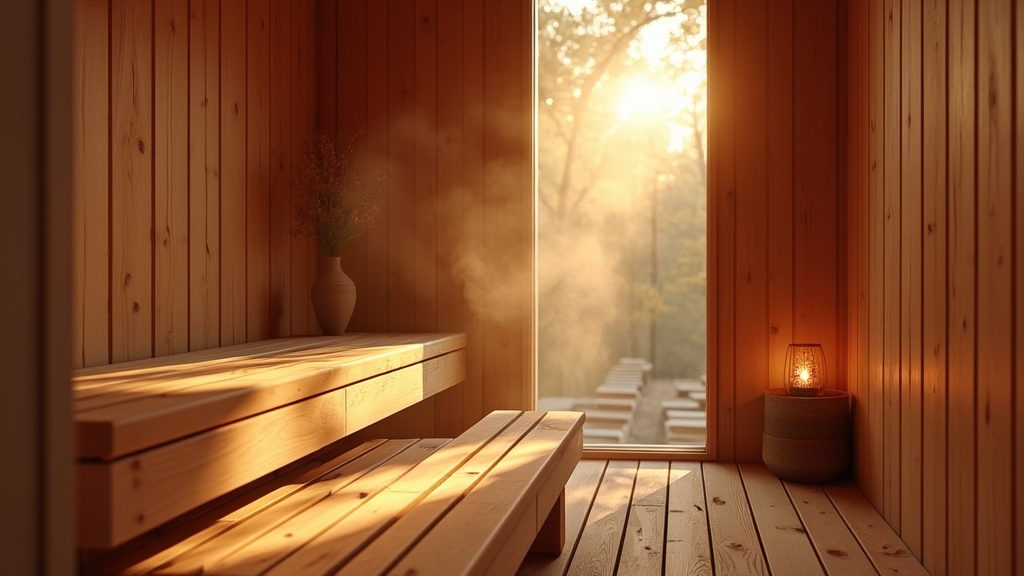
You’re soaking up the warmth in that cozy wooden cabin, pondering the ideal duration for such a steamy retreat. Experts are pointing toward a quarter of an hour as the golden mean, much like a perfect power nap.
This stretch of time lets your body bask in a gentle detox without teetering into overheating territory.
It’s akin to enjoying a workout followed by a well-deserved shower—just enough exercise to feel great, not so much that you’re utterly wiped out.
Just as we see companies tailoring remote work setups to suit individual needs, sauna experiences can be personalized, with some folks savoring a touch more heat, while others might opt for a milder session. Recent health insights highlight the benefits of regular sauna use in managing cardiovascular disease and improving overall well-being.
Finding The Right Sauna Duration
Picture life as a long journey with refreshing pit stops, and spending time in the warmth of a sauna as one of those invigorating breaks. It’s a bit like steering through life’s traffic, where reading the signs right is key to reaching the best relaxation.
Whether you’re enjoying the intense heat of a traditional setup or the softer embrace of an infrared sauna, it’s about cruising at a speed that feels comfortable. Think of a traditional sauna as sitting by a cozy campfire, while an infrared option warms you gently like the autumn sun.
Both styles offer health benefits for the circulatory system, yet each interacts with our bodies in its own way. Recent wellness buzz emphasizes keeping an eye on humidity levels, avoiding dehydration, and watching blood pressure to maintain a healthy heart and overall well-being, much like the beloved Finnish saunas. Adjustments in heating and ventilation are reflecting these health care concerns to maximize benefits.
Benefits Of 15 Minute Sauna Sessions
Just as managing sauna time is like crafting the perfect pause on a busy day, immersing yourself in this sauna retreat for fifteen minutes brings a refreshing spark to both your body and mind. It’s similar to indulging in a brief meditation or a quick power nap—short yet remarkably sauna beneficial.
In our hectic water world, these mini breaks mimic short workout sessions or mindfulness breaks that fit seamlessly into our routines, offering relaxation and rejuvenation in small but impactful doses. Experts emphasize that this compact duration can significantly enhance cardiovascular health, aid in toxin removal through sauna perspiration, and help maintain a healthy skin glow.
It’s akin to catching a quick TV show episode, where some enjoy a slightly extended sweat and cooling period by utilizing infrared saunas and traditional heats, enhancing skin health, controlling high blood pressure, and fully appreciating the multifaceted sauna health benefits.
Imagine granting yourself this concentrated break as a quick holiday, revitalizing you for the upcoming tasks. Always remember, it’s important to listen to your body during each sauna session, similar to adjusting the volume of your favorite song—it’s about finding that perfect balance for maximum relaxation and sauna health benefits.
Sauna Use
- Fifteen-minute sauna sessions refresh and reinvigorate, akin to a brisk walk or compact workout.
- Significant improvements in cardiovascular function and toxin elimination may occur with regular sauna use.
- Frequent, mindful sauna use enhances skin health, supports hypertension management, and offers holistic sauna relaxation.
- Heightened attention to bodily signals boosts both relaxation and sauna health outcomes.
Importance Of Staying Hydrated
Continuing our adventure into wellness, after discovering the refreshing power of sauna bathing, let’s slide into the vital realm of hydration and its crucial role in keeping us fit. Hydration is as essential as maintaining the perfect humidity during a sauna bath.
-
Why Water is Like Fuel for Your Body
Think of water as the premium fuel that keeps our body’s engine humming, much like a Finnish sauna needing regular attention to function smoothly. Proper hydration greatly influences energy levels and brain function, as highlighted in current research. Without it, trying to get through the day would feel as challenging as a car running on a half-filled tank.
An apt reminder comes from recent events during the Tokyo Olympics, where athletes emphasized the importance of staying hydrated to hit peak performance—akin to achieving maximum relaxation by switching between sauna warmth and the cooling contrast of a refreshing plunge.
Understanding Proper Sauna Temperature
As we explore the importance of maintaining the right sauna temperature, think of it like making a perfect cup of hot cocoa. The water should be steaming enough, just like a sauna should warm you, but if it’s too hot, you’ll burn your tongue—or your skin in this case. This balance is key for the ultimate relaxation experience in your traditional sauna.
The Goldilocks Zone: Finding the Perfect Heat
Finding the right sauna temperature is crucial to enjoying sauna benefits, much like Goldilocks searching for the ‘just right’ bowl. Ideally, the heat should be cozy enough to encourage you to stay, but not overwhelming. Too hot, and you might feel like you’re sunbathing on Mercury; too cold, and you’ll wonder why you didn’t just stay on the couch with a blanket.
Finding that sweet spot of heat allows you to spend in a sauna longer where you feel relaxed. Regular sauna sessions that mix in temperatures around 150°F to 175°F create a soothing yet invigorating environment. Lower temperatures help start with shorter sessions, preventing dehydration and offering a gentle start for newcomers. This approach helps you gradually increase your sauna tolerance—just like savoring a warm cup of cocoa while relaxing by the fireplace.
Steam Room Heat
- Optimal steam room temperatures typically range from 110°F to 115°F (43°C to 46°C).
- Beginners should enjoy lower temperatures to maximize its benefits and prevent dehydration.
- Steam rooms enhance circulation and promote relaxation when used at these temperatures.
- Alternating steam room sessions with a refreshing cold shower can maximize the health benefits.
Listening To Your Body’s Cues
Reflecting on how maintaining proper sauna temperature is essential for comfort, it’s also important to recognize your body’s signals for a safe sauna experience. Think of your body as a sophisticated device, alerting you when it’s time for a pause or recharge. Imagine you’re relaxing in the warm embrace of a sauna when you suddenly feel dizzy or overly sweaty. This is like an internal alarm, a friendly reminder that you might be pushing your limits and should step out to cool down.
This summer’s heatwaves showed us all the importance of seeking shade and staying hydrated, much like enjoying a sauna where taking breaks and drinking plenty of water can prevent dehydration. Experts emphasize listening to your body’s messages to maintain health and maximize sauna benefits.
Shortening your sessions often leads to safer and more enjoyable outcomes. It’s similar to pacing your coffee intake during busy days; you wouldn’t overindulge without knowing your limits. Similar principles apply here: consider how your body temperature, existing health conditions, and the wisdom of experienced sauna users can guide you. Staying hydrated and consulting healthcare providers before using a sauna is a wise decision to ensure each session is beneficial. This helps transform your sauna time into a rejuvenating ritual, enjoyed with care and awareness.
Sauna’s Impact On Heart Health
Thinking of the balance between sauna heat and how your body reacts brings us to another aspect: the heart. Picture stepping into these cozy rooms as if you’re meeting an old friend who gives a reassuring hug. This warmth isn’t just a quick comfort; it plays a big role in boosting overall well-being, especially when it comes to your heart.
Sauna Varieties and Their Effects
-
Different Types of Saunas:
- Think of infrared saunas like a mild sunbath that seeps into your skin, whereas traditional ones provide a moist heat like a steamy shower.
- Recent studies on these different kinds show significant benefits, each having a unique effect on heart health. Regular sessions might aid in managing blood pressure, boosting circulation, and supporting cardiovascular wellness.
- Start with shorter sessions, around 10 minutes at a time, and pay attention to how your body feels for a safe and pleasant time. Keep yourself hydrated and gradually extend how long you use them to get numerous health benefits and avoid any issues.
| Infrared Saunas | Traditional Saunas |
|---|---|
| Experience: Mild sunbath sensation | Experience: Steamy hot shower feel |
| Effect: Deep skin penetration | Effect: Moist warmth enveloping |
| Benefit: Unique impact on heart health | Benefit: Notable effects on circulation |
| Guideline: Start with shorter sessions | Guideline: Gradually increase duration |
Safe Sauna Practices For Beginners
Reflecting on the role saunas can play in heart health and the importance of listening to your body, let’s explore what safe practices look like for newcomers. Imagine stepping into a warm haven, enveloped like your favorite blanket on a winter night, ready to experience the relaxing world of saunas. These have recently gained popularity, much like a must-see movie that everyone’s talking about. Think of it as finding shoes that fit just right for a long walk, ensuring comfort and effectiveness.
When choosing between the moist heat of a traditional sauna or the dry, penetrating warmth of an infrared sauna, each offers valuable health benefits. This decision mirrors the choice of having your morning brew at a favorite café versus crafting the perfect cup at home. With home saunas trending due to glowing reviews, it’s a decision that should cater to your personal taste and lifestyle.
The key to enjoying numerous health benefits and ensuring a safe sauna session lies in understanding sauna temperatures and durations. Like deciding whether to linger in the sun on a warm day or seek shade, knowing the specifics of each sauna type helps ensure a safe experience. Beginners should start with sessions of 10 to 15 minutes so the body can get used to it. It’s crucial to stay hydrated, pay attention to how you feel, and adjust if needed to avoid the risk of dehydration or other health issues. With mindfulness, these practices can lead to a rejuvenating routine full of health benefits.
Exploring Different Types Of Saunas
After discovering how saunas can elevate heart health and the necessity of safe practices for beginners, let’s continue this adventure by diving into the diverse sauna types you might encounter today. Think of this as exploring various paths in a vast forest, each offering a unique panorama and experience. Much like sampling dishes at a grand feast, each sauna offers its own distinct flavors and advantages.
First up is the classic steam-powered model reminiscent of an old train chugging confidently along the tracks, emitting robust warmth and moisture into the air. Imagine standing in the cozy mist of a hot shower—a truly invigorating experience for both body and spirit. Then, there’s the modern, sleek alternative known as infrared, which gently wraps your skin as if soaking up the soft rays of a winter sun. It’s as rejuvenating as warming your hands over a gentle campfire.
For those who can’t choose, like combining spices to perfect your favorite dish, blending these heat methods can create a personalized oasis. But much like managing the heat under a simmering pot, carefully timing your exposure is key. Begin with 5 to 10 minutes per session, gradually extending time to relish the benefits without discomfort. Seniors especially should be mindful of dehydration risks, ensuring safety and satisfaction in your wellness journey.
Heat Experiences
- Convection heat channels steamy warmth and invigorating humidity, akin to a hearty locomotive on the move.
- Radiant heat delivers gentle warmth, effectively penetrating the skin, similar to basking in chilled sunlight.
- Merging convection and radiant heat methods crafts a customized and memorable experience.
- Maintaining sessions for 5 to 10 minutes initially and gradually increasing time helps prevent dehydration, crucial for older adults.
Stepping into a sauna feels like wrapping yourself in a warm, cozy blanket, doesn’t it? While you might think you’re just lounging around, there’s a lot happening under that soothing heat. To truly get the most out of this relaxing experience, experts generally recommend a 15-minute session.
This brief period strikes the perfect balance, allowing your body to benefit from the heat without overdoing it, much like a quick workout for your heart and circulation.
But how do you determine how long to stay in a sauna? Well, several factors come into play, including your personal health, comfort level, and hydration. Think of it like going for a run—you wouldn’t push yourself too hard if you weren’t aware of how long you should stay in a sauna, just as you would listen to your body during exercise to maintain your health and avoid disease.
Finding The Right Sauna Duration
As we reflect on how critical mindfulness is in maintaining overall health and temperature balance in a sauna, finding the right duration to spend in this warm embrace becomes equally important. Think of this choice as akin to deciding the best length for an afternoon nap—too brief, and you may feel groggy; while too long can leave you with a headache. Just like how I’ve had to gauge my time at summer picnics, tuning into your body’s signals while in this steamy oasis is essential.
Listening to Your Body’s Responses
- Understanding Your Body’s Reaction:
During a sauna experience, your body reacts to heat similarly to how it feels during a workout on a hot day, producing sweat as a way to cool down. This is all part of your circulatory system ensuring you stay balanced and rejuvenated. Just like athletes who sip water during a game to avoid dehydration, sauna users need to remain attentive to their hydration and health, particularly in environments that can raise blood pressure and heart rate.
- Recognizing Early Signals:
Tuning into how you feel is crucial, especially if you’re new to using a sauna. Understanding your body’s early indicators—like a subtle feeling of dizziness or excessive perspiration—can signal when it’s time to leave the sauna. It’s similar to paying attention to signs that suggest you shouldn’t push yourself further during exercise, as trying to go beyond limits can increase the risk of heat-related issues.
- Starting with Shorter Sessions:
Regular sauna use can provide numerous health benefits, improving cardiovascular health and supporting overall wellness. However, always begin with shorter sauna sessions—aim for about 10 to 15 minutes—to let your body adjust to the heat. Just like a workout, starting with shorter intervals helps you avoid dehydration and better understand your body’s signals for relaxation.
- Hydration is Key:
Including hydration as part of your sauna experience is vital. The general rule of thumb is to drink plenty of water before, during, and after your time in this cozy retreat to counteract any potential dehydration from sweating and promote better blood circulation.
Benefits Of 15 Minute Sauna Sessions
Reflecting on how crucial it is to listen to our bodies while we enjoy a sauna experience, it’s clear that a quick session can deliver remarkable health benefits. Much like discovering a favorite childhood toy, a short time in this warmth-filled space can rejuvenate your spirit and body, offering a delightful escape from the everyday hustle and bustle.
- Quick Health Boost:
- A brief time can enhance blood circulation, similar to how a quick sprint gets your heart racing and improves overall health.
- Recent news has highlighted studies showing the significant cardiovascular advantages of just a few minutes spent in this soothing environment. Specifically, this practice positively impacts heart health and supports a stronger circulatory system. Just like regular exercise builds stamina, using the sauna often contributes to overall wellness while minimizing the risks associated with cardiovascular disease and high blood pressure.
| Health Benefit | Description |
|---|---|
| Improved Blood Circulation | A brief sauna session can enhance blood flow, akin to cardiovascular exercise, which is beneficial for long-term health. |
| Cardiovascular Health | Spending a few minutes in a sauna has been shown to support heart health and reduce the risk of disease. |
| Skin Condition | Regular sauna use can contribute to improvements in skin health and appearance, particularly by promoting perspiration. |
| Relaxation Techniques | Sauna sessions promote relaxation, assisting in stress reduction and offering a healthy outlet for tension. |
Importance Of Staying Hydrated
Reflecting on the earlier points about listening to our bodies and the benefits of a warm retreat, it’s crucial to remember that hydration acts as the unsung hero in this self-care journey. Before you pack your favorite toys for a thrilling adventure to a theme park, you wouldn’t forget to fill up your ride’s tank, right? Just like that, your body needs its own fuel—water—to keep everything running smoothly, especially when you plan to enjoy a sauna later on.
- Why Hydration Matters:
- Consider water as the oil in your engine; it’s vital for nearly every function in your body, helping to regulate temperature and transport nutrients. Without it, everything can start to sputter and stall, similar to an old car running on fumes.
- Imagine your favorite characters from Toy Story—like Woody and Buzz—going on a daring mission. Just as they rely on each other to achieve their goals, your organs depend on good hydration to amplify your sauna experience and support heart health while sweating it out in a traditional Finnish sauna or cooling off with a refreshing cold plunge afterward.
- Staying Hydrated to Prevent Dehydration:
Much like understanding your limits during exercise, being proactive about hydration can prevent dehydration. This is especially important during high-heat experiences, whether it involves a traditional sauna session or a long day at the beach. Just remember, the signals your body sends—like dryness or fatigue—are telling you to refresh with water.
- Hydrating Before and After:
Before you step into the sauna, it’s smart to drink plenty of water—think of it as filling up your gas tank before a road trip. Afterward, replenishing those fluids is equally essential to help your body recover and maintain balance. Just like you wouldn’t skimp on snacks for a drive, don’t skip on hydration for a well-deserved sauna experience!
- Keep Water Handy:
To harness the full health benefits from your sauna time, make sure to keep water close during your sessions. Aim to sip regularly—not just when you feel thirsty. This habit keeps your hydration levels steady, much like checking tire pressure before a long journey to ensure a smooth ride.
Understanding Proper Sauna Temperature
Reflecting on our earlier chats about staying hydrated and the fantastic benefits of a warm retreat, let’s dive into how the right atmosphere can really boost your relaxation experience. Traditional saunas usually heat up between 150°F and 195°F, while modern infrared saunas work at lower temps, around 120°F to 140°F. Knowing this variety is important, especially as more folks invest in home wellness after the pandemic.
Picture it like choosing the perfect temperature for your favorite cup of cocoa. If it’s too hot, you might burn your tongue. Too cold? It just won’t hit the spot. This idea is a great way to understand why sauna temperature matters for a good time.
Now, let’s think of your sauna session like grilling a steak. If you stay too long, that juicy piece can easily become an overcooked disaster!
Experts recommend enjoying a sauna session for about 15 to 20 minutes to make the most of its health benefits. If you start to feel dizzy or overheated, it’s super important to exit right away. Always listen to your body! You might want to lower the temperature or hop into a cold shower to avoid dehydration.
Regular sauna users swear by starting with shorter sessions, especially if you’re new to it. As time goes on, you can gradually increase your time as your body gets used to the heat.
Don’t forget, staying hydrated is essential! Drink lots of water before and after your sauna time. This helps your circulatory system and heart health while you sweat out those impurities. Remember, the goal is to enjoy your spa-like experience without sacrificing your comfort or health.
Listening To Your Body’s Cues
Connecting our earlier thoughts on hydration and optimal temperatures, let’s discuss the importance of tuning in to what your body is telling you during your time in a Finnish sauna. Picture your body as your trusty companion, like Woody guiding Buzz through a tricky situation; it’s always communicating cues that can enhance your relaxation experience.
Just like dashboard lights in a car that indicate when something needs attention, the sensations you feel while using a sauna—like wet perspiration or a fleeting lightheadedness—signal when it’s time to adjust your experience. Ignoring those signs is a bit like dismissing a flashing check engine light; eventually, it could lead to bigger problems.
- Recognizing Your Body’s Signals
Understanding how to listen to your body is crucial for a safe sauna session. If you notice heavy sweating or feel a bit dizzy, it’s best to leave the sauna immediately and consult a doctor before using it again, especially if you have any pre-existing health conditions. This approach prevents dehydration and reduces the risks associated with high temperatures, which, in turn, supports your overall health.
- Session Duration and Frequency
Many experienced sauna users recommend starting with shorter sessions of around 10 to 15 minutes. This gradual approach allows your body to acclimate. As you grow used to the heat, you can increase your duration carefully, perhaps extending it to 20 minutes or so. Keep in mind that how long you stay in the sauna can vary based on your individual tolerance levels; thus, always listen to your body.
- Post-Sauna Recommendations
Once you exit the sauna, it’s essential to hydrate. Drink plenty of water to replace fluids lost through perspiration. After all, just like how Buzz and Woody enjoy refreshing moments together, your body needs that same care to recover from its heated adventure. Not only will this help maintain your cardiovascular system and prevent dehydration, but your body will also thank you for a refreshing cold plunge or shower that follows.
- Consistency is Key
Regular sauna use can lead to numerous health benefits, such as improved circulation and stress relief. Aim for a frequency that feels comfortable, whether that’s a few sessions per week or daily visits. Remember, the more consistently you integrate it into your routine, the better you’ll be able to enjoy its positive effects in your life.
Sauna’s Impact On Heart Health
Building on our earlier discussions about listening to your body and the importance of proper sauna temperatures, let’s explore how these cozy retreats can actually work wonders for your heart. It’s pretty fascinating how our bodies react to the heat; recent studies indicate that a heated environment can mimic some of the perks you’d get from exercise! Think of your heart like a trusty old toolbox that needs various tools and experiences to keep in shape, and sauna sessions could very well be one of those essential tools.
Lower Blood Pressure and Heart Health
Some intriguing findings suggest that routine visits can support lower blood pressure and enhance overall cardiovascular wellness. It’s a bit like warming up before tackling your favorite sport—your heart is getting ready to play at its best!
Improved Circulation
The benefits here often center around improved circulation. Imagine watering a plant: when it receives just the right amount of moisture, it blossoms! Spending around 10-15 minutes in this warm sanctuary can promote better blood flow, similar to how a great workout can help manage those pesky high blood pressure levels. Always listen to your body during these sessions, and remember to drink plenty of water to fully enjoy the health benefits of a proper sauna experience, particularly when you gradually increase your sauna session duration.
| Health Benefit | Duration |
|---|---|
| Lower blood pressure | Regular sauna visits |
| Enhanced circulation | 10-15 minutes per session |
| Cardiovascular wellness | Consistent use |
Safe Sauna Practices For Beginners
With heart health and the benefits of listening to your body, stepping into a sauna for the first time can feel like wrapping yourself in a warm, cozy blanket. But knowing how to make your experience both safe and enjoyable is key.
Before you jump right in, let’s chat about how to navigate your first visit to this relaxing retreat.
- Combining Sauna Types: There are various options for relaxing in this heated space! From traditional saunas with rocks and steam to modern infrared ones that gently warm your skin, mixing these can create a fun sauna experience. Imagine crafting the perfect cocktail; the right ingredients enhance your enjoyment and health benefits.
- Choose types that match well in temperature and humidity levels. If you’re new, start with shorter sessions lasting about 10 to 15 minutes. This allows your body to adjust gradually while maximizing health benefits—without risking dehydration!
Always listen to your body. If you feel discomfort, leave the sauna immediately. For beginners, knowing your limits is crucial for a safe practice. Stay hydrated before and after each session to replace fluids lost from perspiration. Remember, this helps your cardiovascular system function smoothly!
As you grow more familiar with your sauna experience, you might want to increase your time in the sauna gradually. This can lead to greater health advantages like stress reduction and improved well-being. It’s like building stamina for your favorite sport—it gets easier with practice!
- Whether you go for sessions three times a week or a daily routine, what’s important is that it feels enjoyable and meets your body’s needs.
- Woods and Buzz would certainly approve of careful planning—every adventure is best approached with a solid strategy!
Exploring Different Types Of Saunas
As we continue our journey of understanding how to create a heart-healthy environment, it’s important to consider the different kinds of saunas that can enhance your relaxing experience. Just like a cowboy knows when to saddle up and which trail to take, knowing your sauna options helps you find the perfect fit for your wellness routine!
Traditional Saunas
One popular choice is the traditional sauna, often crafted from cozy wooden logs. This setup offers a high-heat atmosphere that feels like gathering around a campfire, with warmth that soaks into your body and melts away stress. Regular use of a traditional sauna can contribute to lowering blood pressure and improving your heart health, making it a fantastic addition to your routine.
Infrared Saunas
On the flip side, there’s the fascinating world of infrared saunas. Imagine being wrapped in a warm hug that gently penetrates your skin, providing a unique way to relax. However, for those new to this experience, always listen to your body—spend only 5 to 10 minutes at a time inside to prevent dehydration. Remember to drink plenty of water outside the sauna and always prioritize your comfort, especially if you’re older or have any medical conditions.
Tips for Sauna Sessions
- Health experts recommend limiting sauna sessions to 5 to 10 minutes to help minimize the risk of dehydration, particularly for new sauna users.
- Staying hydrated before and after using a sauna is crucial, especially for older adults, as it helps support your cardiovascular system and overall wellness.
- Always listen to your body during your sauna experience; if you feel uncomfortable, it’s better to exit the sauna and take a break.
- Consider starting with shorter sessions and gradually increasing your time as you become more accustomed to the heat and your body’s response to it.
What Are The Best Materials To Use For An Indoor Sauna Creative Sauna Materials
Can You Install An Indoor Sauna In A Small Space Tiny Home Sauna Spots