
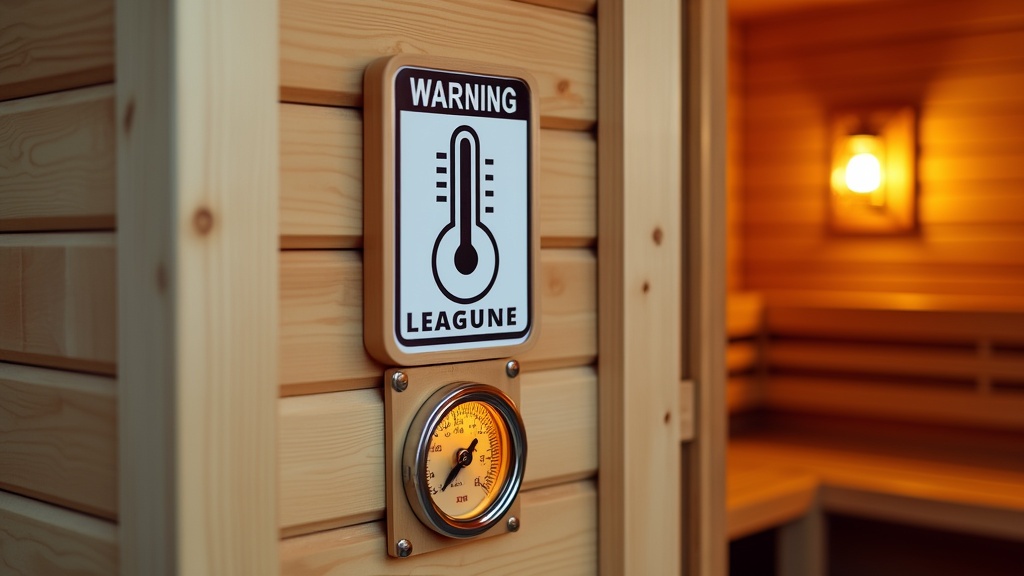
Think of a sauna heater like a trusty steed in a western film—perfect for the job, but only if it’s the right one for the terrain. You wouldn’t want to set out on a cattle drive with a horse that isn’t suited for the journey! Just recently, I read about someone who had a sauna heater mishap, and it really drove home the importance of safety when using these nifty devices.
Following a few simple tips can help you steer clear of trouble when diving into your next sauna session.
Choose the Right Sauna Heater: It’s crucial to pick a heater that aligns with your specific sauna type. Traditional sauna heaters are like warm campfires—they generate convection heat that envelops the entire space, promoting relaxation while ensuring proper ventilation and adherence to safety tips for a healthy sauna experience.
Ensure Proper Ventilation
Following up on the importance of selecting the right heater and keeping safety in mind, let’s talk about something that often gets overlooked but is equally essential: good airflow. Think of proper ventilation as if you’re hosting a lively party—without fresh air, things can get a bit musty, and nobody wants to stick around in a crowded room for too long.
Fresh Air Flow
A sauna filled with stifling air can feel just as uncomfortable, much like when you’re stuck in a toy box overflowing with stuffed toys. Recent discussions around indoor air quality have highlighted how essential it is to have a steady flow of fresh air, especially in communal spaces like saunas where folks gather to unwind. Ensuring that air circulation is on point really helps create a relaxing sauna experience.
Benefits of Managing Humidity
Consider your sauna as a steaming cup of herbal tea. You want to allow that fragrant steam to escape while preventing any overflow. This balance not only promotes comfort but also helps in preventing harmful gas buildup, similar to how we understand the risks of heat exhaustion during those scorching summer months. Reports often connect heat-related illnesses to factors like dehydration, alcohol consumption, and excessive exposure to high temperatures—all reminders to stay hydrated and take care of our bodies.
Temperature Control is Key
Remembering to manage humidity levels is crucial, as stagnant air can lead to increased heat stress. Maintaining adequate ventilation not only supports temperature control but also safeguards against the risks of hyperthermia or heat stroke. So, while you enjoy your time, ensure that you’re also managing airflow and staying safe. Not only can it enhance your experience, but it also reduces the chance of health complications related to a stuffy environment.
The next time you settle in for a sauna session, think about keeping those vents open and fresh air flowing—because a little circulation goes a long way in ensuring you have a safe and enjoyable time!
Monitor Sauna Temperature
Following the key points of proper ventilation and humidity management, let’s turn our focus to another vital aspect: keeping an eye on the sauna temperature. It’s like preparing for an exciting adventure—you need the right gear and conditions to make it enjoyable. Imagine planning a big camping trip but forgetting to pack the tent; that could be a cold night under the stars! Heading into a sauna without knowing if it’s too hot or too cool can be just as upsetting, possibly leading to discomfort or even health issues like fainting from heat exhaustion.
Keeping the Right Heat
Maintaining the perfect sauna temperature is essential for an enjoyable experience. Just as you wouldn’t want to overbake a pizza, checking the temperature can prevent you from feeling like you’ve stepped into an oven! Recent reports suggest that many sauna users suffer from dizziness due to improper temperature settings. A well-regulated environment with the heater softly warming the air allows you to reap all the health benefits of sauna use while staying mindful of factors like diabetes, heart health, and even the risks associated with pregnancy.
| Temperature Management | Health Considerations |
|---|---|
| Proper sauna temperature can enhance relaxation | Improper settings may lead to dizziness |
| Using a thermometer ensures optimal conditions | High temperatures can cause heat exhaustion |
| Humidity levels contribute to comfort | Individuals with diabetes or heart issues need to be cautious |
Stay Safe and Enjoy
Always monitor the temperature during your time in the sauna to enjoy all its benefits while ensuring your safety. This practice not only enhances your sauna experience but also helps avoid any untoward health complications. Remember, keeping things comfortable and safe in your sauna routine goes hand in hand with making the most of your time for relaxation and wellness!
Stay Hydrated During Sessions
After exploring the importance of maintaining the right temperature and good ventilation, let’s chat about a crucial piece of the wellness puzzle: hydration. Picture your body’s need for fluids as a cherished toy in a dusty attic; if it doesn’t get the care it needs, it can start looking a little rough around the edges. Just like you wouldn’t let your favorite action figure fade away, you want to keep your body in tip-top shape while enjoying those steamy sessions!
- Your Body’s Thirsty Nature:
- Your body acts like a sponge, eagerly soaking up hydration. It can dry out quickly, especially with the heat from a sauna. Just like that wilting plant that perks up after a good drink, your vital organs crave water to thrive.
- This summer has seen record-breaking heatwaves, with headlines buzzing about the importance of hydration. As folks sweat buckets in their sauna, it’s more essential than ever to not only drink plenty of water but also ensure proper ventilation to avoid overheating and dehydration. Remember to hydrate while relaxing on that cozy bench in the sauna—your body will thank you for it!
- Many sauna users don’t realize how much water they can lose through sweating. Staying hydrated helps to regulate your body’s ability to manage heat effectively and reduces the risk of heat-related issues, like dizziness or even heat stroke. So, during your session, keep that water handy and sip as needed—you’re not just enjoying a sauna session; you’re giving your body the best chance to thrive!
Avoid Using Alcohol
After understanding the importance of hydration and temperature control in optimizing your sauna experience, let’s highlight the need to steer clear of certain drinks while enjoying that soothing heat. Think of your body like a well-tended garden; just as plants thrive with careful watering, your body needs the right fluids to grow during those sauna sessions.
Just as a wilting plant struggles without water, your body can quickly feel the effects of dehydration during those steamy moments. Picture what happens when you water a plant with soda instead of good, clean water—you’re just not giving it what it truly needs! That’s exactly what drinking alcohol does; it can drain your hydration levels faster than a thirsty sponge in the Sahara.
This past summer brought some intense heatwaves, and health officials have been stressing the importance of staying hydrated. That advice is just as crucial inside the warmth of a sauna! You wouldn’t want to miss the signs of overheating, right? It’s like driving a car—knowing how to follow safety measures and tips for the journey ensures a safe and enjoyable ride, which is vital for maximizing the benefits of your time near the electric heater or wood-burning stove while keeping your body’s ability to regulate temperature intact amidst the comforting warmth.
Hydration and Sauna Use
- Dehydration can lead to symptoms like dizziness, headaches, and fatigue—all of which can be intensified in hot environments like saunas.
- Health experts recommend drinking water before, during, and after your sauna sessions to maintain optimal hydration levels.
- Alcohol and caffeinated beverages can worsen dehydration, making it essential to choose hydrating options while enjoying your sauna experience.
- Staying hydrated helps the body regulate heat more effectively, enhancing your overall enjoyment and health benefits of using a sauna.
Check Electrical Wiring Regularly
Now that we’ve talked about keeping ourselves hydrated and the importance of avoiding certain drinks for optimal health, let’s shine a light on another essential aspect of safety within our homes: the electrical wiring. Think of electrical wiring in your home like the strings of a beloved toy—if they fray or snap, that toy is no longer able to play its role, which can actually create some serious risks.
By regularly checking on these hidden connections, we can ensure that everything runs smoothly, just like a well-maintained toy collection. Imagine how much brighter our lives—and not to mention our homes—could be with a little extra care in this department.
- Why Regular Checks Matter:
- Consider your wiring as vital as the batteries in your toys; if they’re worn out or malfunctioning, it could lead to flickering lights—or worse, fires! Recently, there have been alarming reports about home fires originating from faulty wiring, emphasizing how critical it is to stay vigilant in monitoring your home environment.
- Regular checks aren’t just about safety; they’re about creating a cozy, comfortable space for relaxation. During your sauna sessions, maintaining a safe environment is key. You wouldn’t want unexpected shocks or flickering lights to distract from the peaceful ambiance of your sauna experience!
- To keep your time in the sauna enjoyable and secure, implement safety tips like maintaining proper heating control, ensuring adequate ventilation, and avoiding flammable materials near your heater. Always be aware of how your body feels during sauna bathing—monitoring for signs of dizziness or dehydration can help you enjoy all the fabulous benefits without any hiccups!
- It’s crucial to periodically check not just your heater’s electrical components but also to maintain the sauna stones or wood around it. Heat regulation is vital; after all, enjoying that comforting warmth is the essence of a relaxing sauna visit!
Use Caution With Electric Heaters
Having chatted about the need for hydration and keeping our electrical wiring in check, let’s now talk about the comforting warmth of electric heaters and how to use them safely. Picture yourself all snuggled up at home, ready to bask in soothing heat that wraps around you like a warm hug—it’s hard to beat that feeling! But, just recently, a headline made the rounds about rental properties catching fire due to faulty wiring; that’s a serious wake-up call for everyone enjoying the cozy glow of these devices.
Stay Aware of Your Heater
Properly watching your heater unit and making sure there’s enough ventilation around your sauna area is essential for a relaxed experience. Nobody wants to end up feeling dizzy from too much heat, or worse, starting a fire because they didn’t keep the area clear around the electric heater. These heating units can indeed pose a fire hazard if not managed properly. It’s just like when you leave a pot boiling on the stove and rush out of the room—you’d be risking a cooking disaster! The same goes for using a heating element in your sauna; safety tips are key to a cozy experience.
Safety Tips for Using Heating Devices
- Keep a watchful eye on your heater unit to prevent overheating and potential fire hazards.
- Ensure proper ventilation in the sauna area to avoid feeling faint from excessive heat.
- Always keep the space around the heater clear to reduce the risk of fire.
- It’s essential to never leave the sauna unattended while the heater is running for absolute safety.
Consult Your Doctor Before Use
Building on our talks about electrical safety and how to use heating devices wisely, let’s touch on an important step before hopping into a sauna session: talking to your doctor. Think of your healthcare provider as your reliable co-pilot; you wouldn’t hit the road for a big trip without making sure your car is up to speed, right?
It’s vital to check if your health can handle those steamy vibes to avoid any sauna accidents and make sure the experience is both safe and enjoyable.
- Health Conditions Matter:
– Many may not know that the heat from a sauna can affect certain health conditions, much like how an old car needs a careful driver to handle its quirks. Recently, athletes competing in hot conditions have stressed the importance of understanding the risks related to high temperatures. Since everyone’s body reacts differently to heat, it’s essential to follow personalized safety measures; this might mean ensuring proper ventilation or keeping a fire extinguisher in your sauna area. - Some health issues, like cardiovascular disease or diabetes, might mean you need to approach sauna use with extra care. Your body’s ability to regulate temperature can be affected if you’re not feeling well or hydrated. Hydration is key! A big tip is to drink plenty of water before stepping in. Following these safety tips not only improves your sauna experience but also helps avoid problems like heat stroke or fainting.
- Being attentive to your health can make your sauna experience even better. If you’re pregnant or have low blood pressure, the mix of heat and your body’s changes calls for extra caution. Always keep an eye on how your body feels during your sauna session, looking out for any signs of dizziness or discomfort. And don’t forget to have that bucket of water nearby to hydrate and cool down if you need!
Maintain Adequate Ventilation
Having highlighted the importance of health and safety when it comes to using heating devices, let’s now turn our focus to the role of ventilation in creating a comfortable sauna experience. Think of it like Buzz Lightyear needing space to fly around—good air circulation keeps everything feeling just right. Without it, you might find the sauna room getting stuffy, making your time inside less enjoyable.
When you step into a sauna, especially one with electric heaters, ensuring proper airflow is essential. It helps regulate temperature and humidity, allowing you to truly enjoy the soothing heat. Adequate ventilation prevents harmful gas buildup, safeguarding your health while you relax. Just as you wouldn’t want to bake cookies in a sealed room without opening a window to let the sweet aroma out, maintaining fresh airflow is crucial for optimum sauna enjoyment.
And remember to hydrate before and after your sauna session. Staying well-hydrated helps you avoid dizziness and fatigue. Just like a superhero needs their fuel, your body requires water to handle the heat properly!
Using a few simple techniques can significantly enhance your sauna experience. Opening vents and keeping the door ajar while using an electric heater can improve airflow dramatically, much like how a burst of wind can refresh a warm day. So, as you prepare to use the sauna, ensure that you’re incorporating these ventilation strategies along with the other vital aspects we’ve discussed—safety precautions, consulting your doctor, and the importance of hydration before and after.
Sauna Air Circulation
- Proper air circulation in a sauna plays a key role in maintaining balanced temperature and humidity levels, enhancing your experience.
- Good airflow helps prevent the buildup of harmful gases, ensuring a safer sauna experience.
- Opening vents and doors during your session can significantly enhance airflow, much like how fresh air brings life into a room.
- Hydration before and after sauna use is essential. Don’t forget to drink plenty of water to keep dehydration at bay!
How Often Should A Sauna Heater Be Cleaned Surprising Sauna Care Facts
How Long Sauna Heater Heat Time