
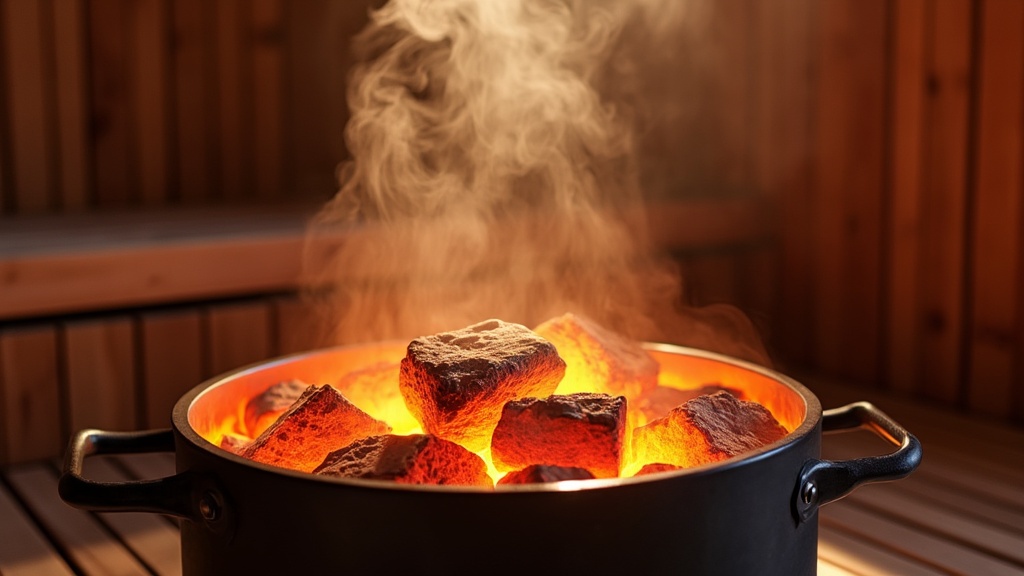
Imagine stepping into a world of warmth that wraps around you like a big, fluffy hug on a cold winter day. That’s the kind of experience a heater in this space creates, transforming a simple room into a cozy retreat.
Instead of just heating air, these clever devices generate warmth in a way that can make your soul feel at ease.
Think of it like your favorite bowl of soup on a dreary day; it’s not just about the heat, it’s the comfort and relaxation it brings.
Have you caught the buzz about wellness trends lately? Saunas are making headlines as more folks seek their stress-relieving benefits. Just last month, a study revealed that regular time in these soothing havens can boost cardiovascular health by enhancing circulation and promoting relaxation through the effective use of electric sauna heaters that provide consistent temperature and steam.
The Magic Of Heat Generation
Warmth: A Cozy Blanket of Comfort
Following our exploration of how warmth can be a source of comfort, let’s take a closer look at the dynamic ways heat is generated in different relaxation spaces. Just like stepping into a cozy cabin during a winter blizzard, the sensation of warmth can wrap around you and make everything feel instantly right.
Choosing Heating Elements: Simmer vs. Fry
Similar to how a chef needs to decide whether to simmer a stew slowly or fry it quickly, understanding the various heating elements can enhance your wellness journey.
Air vs. Body: Different Approaches
While traditional spaces conjure heat by warming the air, like a snug blanket hugging you tight, infrared types warm your body directly—imagine a gentle friend giving you a warm embrace with a flashlight!
Mixing Ingredients for the Perfect Experience
Now, blending various types might feel like crafting the ultimate pizza topped with your favorite ingredients, yet it’s crucial to select compatible models. Picking the right combination is akin to mixing the right herbs into a dish, leading to enhanced therapeutic effects.
The Versatility of Heaters
Think of it this way: some heaters work by producing a dry heat that envelopes you, while others create steam, akin to adding a simmering touch to your favorite soup. This versatility not only adds comfort during your sauna session but also tailors your experience to exactly what your heart (and skin) craves.
Understanding The Sauna Experience
Building on our earlier discussions about the warmth and comfort provided by efficient heating, let’s explore the sauna experience itself. Stepping into a hot space designed for relaxation is so much more than just finding warmth; it’s about immersing yourself in an experience that can rejuvenate both body and mind, much like crafting the perfect playlist for a road trip, where each song enhances your journey.
Merging a traditional sauna, famous for its steamy embrace and high humidity, with an infrared sauna can create a wellness adventure that feels refreshing and unique. Think of it like combining chocolate and peanut butter—both are delightful on their own, but together, they create an irresistible treat!
When you mix these styles, it’s essential to choose wisely. You need to ensure you have the right sauna heater that can manage both types smoothly. By blending traditional and infrared saunas, you’ll find a unique balance of heat retention and humidity control, which enriches the overall sauna experience. This thoughtful setup allows the electric sauna to offer the soft heat of humid environments while still delivering the direct warming effects of infrared light, hitting that sweet spot between comfort and effectiveness.
By understanding how heaters function within this context, you can create an ideal environment. A good sauna’s heart relies on a well-chosen heating element, capable of producing steam or dry heat depending on the desired experience. Imagine the invigorating feeling when you throw water on hot stones in a classic Finnish sauna, creating instant steam that envelops you—it’s an experience that revitalizes your skin and lifts your spirit.
As you explore different setups, remember that whether you opt for a traditional wood-burning heater or a more convenient electric sauna heater, the key is to design your space for maximum enjoyment. This blend can cater to everyone’s preferences and help you achieve that perfect retreat, making your sauna sessions a truly enriching part of your wellness journey.
Exploring Electric Sauna Options
Building on the pleasure of personalized heat and the mingling of sauna experiences, it’s time to look at the exciting range of technologies available for home relaxation. Choosing the right option can feel like a delightful game of mix and match, much like selecting accessories for your favorite outfit—each piece enhances the overall picture.
You crave warmth, but the way it wraps around you changes with each option available.
Pairing traditional saunas with infrared technology gives you the best of both worlds. It blends the steaminess of classic heat with the deep, soothing comfort that infrared provides.
It’s just like layering on a chilly day. Some days you need that soft touch of a cozy blanket. Other days call for the warmth of a heated mattress pad to cuddle away the cold.
A crucial element to consider when creating this blend is compatibility. Imagine baking a cake with the wrong ingredients; if the heating elements don’t harmonize well, your chances of achieving that blissful sauna experience could be compromised.
Whether you’re leaning towards wood-burning, gas, or electric models affects humidity and overall ambiance. By choosing the right type of electric sauna, you can tailor the temperature and steam production to meet your relaxation preferences.
It’s essential to pay attention to features like the power output. Just like the wattage in light bulbs determines how bright your room shines, higher wattage heaters can achieve better heat distribution within your cozy retreat.
Don’t forget about the design and layout of the space! A well-thought-out setup, including proper electrical wiring and thermostat placement, ensures even heat circulation throughout your sanctuary.
The materials you choose matter too. Seasoned wood provides that classic feel and aroma, while stainless steel heaters can offer modern efficiency.
Lastly, keep your wellness goals in mind. Just as setting up your favorite workout playlist can motivate your exercise routine, designing your electric sauna to create a rewarding experience can enhance how you unwind and rejuvenate.
So, as you take on this exciting opportunity to enhance your relaxation routine, remember: each choice impacts the comfort and effectiveness of your experience. Ultimately, this helps you create the perfect retreat right in your own home.
The Role Of Infrared In Saunas
And while we’ve talked about the elements that make a sauna experience special, let’s dive into the specific heat sources that really amp up your relaxation game. Choosing between a wood-burning stove and a gas-powered heater for your home is like comparing apples and oranges—both can provide warmth, but they do it in completely different ways.
In a similar manner, a radiant heat source, like infrared, offers cozy comfort while steering clear of the extremes that sometimes come with traditional methods. This change in preference mirrors the boom in home fitness options during the pandemic, as more people looked for effective ways to relax and recover at home.
When considering your options, think of the process like perfecting a recipe that mixes grilling and baking. Traditional sauna methods can be likened to the sizzling heat of grilling, where a wood-burning stove warms up the space. In contrast, infrared options provide a gentler warmth—much like baking—where the soothing heat wraps around you without being too intense. The blend of higher humidity and heat from a wood-burning sauna, along with the soft hugs of an infrared option, creates a snug atmosphere that’s hard to resist.
Heat Sources for Home Comfort
- Wood-burning stoves produce higher humidity and heat, creating a snug environment within your sauna room.
- Infrared saunas deliver gentler warmth, making them ideal for relaxation without overwhelming temperatures.
- The appeal of personal wellness solutions has surged since the pandemic, sparking renewed interest in various sauna experiences.
- Choosing between heating options can significantly shape the overall comfort and ambiance of your home environment.
Convection In Sauna Heaters
Let’s talk about convection and how it creates a cozy atmosphere in a sauna. Imagine stepping into a wonderful, warm hug after a chilly stroll outside; that’s how a good sauna feels! The type of setup you choose really matters, especially with home wellness retreats trending lately. It’s fascinating how the right heater can help set that perfect scene.
Think of a Finnish sauna. The hot stones generate warmth that wraps around you like your favorite blanket on a cold winter’s night. When you throw water on those stones, you create steam that makes your time in the heat even more relaxing. Convection heat, like a good friend, works quietly to ensure every corner of the room feels just right.
Imagine convection heat as the helpful companion, making sure everyone in the room is comfortable. Just like a well-timed hug, it circulates heat energy from the wood stove or electric sauna heater. This produces steam that envelops you during your sauna session, making the sauna heater’s role the heart of this Finnish tradition.
When you pick a heating element, remember that convection systems create an even temperature throughout the sauna room. This consistency enhances your overall sauna experience. It allows your skin to benefit fully from the steam produced, rejuvenating your time in the sauna. The beauty of convection is that it doesn’t just focus on one spot; it ensures every pebble in your sauna rocks radiates warmth, inviting relaxation all around.
As you check out options for DIY sauna projects or think about buying a sauna kit, don’t forget how the kind of heater you choose can boost humidity levels and the overall vibe during your sessions. It’s all about that perfect balance of heat and steam, wrapping you in warmth like those endless cuddles after a cold day outside. Knowing that convection is there to pamper your senses adds a whole new level to designing your peaceful retreat.
The Art Of Temperature Control
As we explore the heart of these relaxation techniques, it’s essential to touch on how maintaining the right temperature shapes your comfort. It’s much like finding the sweet spot in a cozy sweater. Getting the warmth just right in a sauna can feel a bit like trying to find the perfect temperature for your morning cup of coffee. Too hot and you burn your tongue; too cold and it’s just not enjoyable.
Striking that balance is key, especially when it comes to relaxation and health benefits. Think about it like tuning a guitar – hitting the right notes makes for a soothing experience. Many sauna enthusiasts will tell you that achieving the ideal heat is crucial to a good sauna. Whether you’re basking in the gentle embrace of traditional woodburning saunas or enjoying the quick warmth of an electric setup, temperature is everything.
Combining different types of saunas can elevate your relaxation game, but it comes with its own quirks. Picture this: creating a hybrid vehicle that runs on both electricity and gasoline. You’ve got to find a balance to keep everything in sync. The soft heat of woodburning saunas often produces a better löyly compared to the convenience of electric heaters. Selecting the right sauna heater size is essential for effectively heating the air in relation to the sauna’s dimensions.
Sauna Temperature and Experience
- Optimal sauna temperature typically ranges from 150°F to 195°F (65°C to 90°C) for effective relaxation and health benefits.
- Woodburning saunas often provide a more humid heat (löyly) compared to electric heaters, enhancing the overall sauna experience.
- Choosing the right size of sauna heater is crucial; it should match the sauna’s dimensions for efficient heating of the air.
- Combining different sauna types can enhance relaxation but requires careful balance to maintain an enjoyable temperature.
Choosing Between Wood And Electric
When it comes to creating that cozy retreat, think of the choice as similar to picking your favorite camping equipment. You can either go for the rustic feel of a wood-burning experience or the straightforward ease of an electric option. Each choice brings its own benefits, and figuring out which suits you best really depends on your lifestyle and preferences.
Have you ever sat around a campfire? That warm glow and the smell of burning logs can evoke such nostalgia and comfort. It’s a bit like stepping into a traditional Finnish sauna, where the heat wraps around you like a favorite blanket. The crackle of the firebox and the soft glow of embers can transport you to a place of relaxation, almost as if you’re tucked in for a cozy night in.
On the other hand, the electric sauna is like your trusty electric grill—it heats up quickly without any hassle. During the pandemic, many people turned their homes into wellness retreats, opting for conveniences that fit their routines. Imagine how easy an electric sauna can be: it’s quick to set up, efficient, and fitting for smaller spaces. For anyone juggling a busy schedule, it offers a delightful sauna experience without the wait.
This choice reflects a broader trend in our daily lives. City folks often lean toward electric options to maximize their limited space, enjoying the rejuvenating steam without sacrificing comfort. Meanwhile, the wood-burning sauna offers a delightful nostalgia—a retreat where age-old traditions blend seamlessly with the art of relaxation.
Ultimately, the best choice depends on your own situation. Think about the space you have, the atmosphere you’re after, and how much you enjoy that traditional sauna vibe. If you go for wood, it’s all about the ritual—like throwing water on the stones to create that perfect steam, pulling in that comforting, soft heat. If electric is your lane, it’s all about instant warmth and the control of your cozy retreat, fine-tuning the temperature just the way you like it.
Enhancing Sauna Sessions With Steam
Building on the choices you’ve made regarding your sauna experience, let’s dive into how steam can significantly boost your relaxation. Think of it like adding a bit of lemon to your water; it really enhances the whole experience! Just like that splash of citrus, incorporating moisture into your sauna sessions creates a delightful, inviting atmosphere that makes it easier for your body to unwind.
Now, when you step into a sauna, imagine the delightful humidity wrapping around you—this is where steam production comes in. Traditional setups that use hot rocks are key here. Imagine tossing water onto those stones, cranking up the humidity. It’s not just about feeling cozy; this simple action can improve your circulation and help detox your body, just like seasoning elevates your favorite dish to a whole new level. That interplay between dry and moist heat is what really transforms your sauna experience, making it feel more enjoyable and beneficial for your overall wellness.
Benefits of Incorporating Moisture in Sauna Experiences
- Steam production creates a humid atmosphere that enhances relaxation.
- Adding water to hot rocks increases humidity, promoting improved circulation.
- The moist heat supports detoxification, contributing to overall health benefits.
- The combination of dry and moist heat makes your sauna experience even more comfortable.
What Are The Different Types Of Sauna Heaters Available Sauna Heater Guide
What Are The Benefits Of Using A Sauna Heater Discover Sauna Health Boosts