
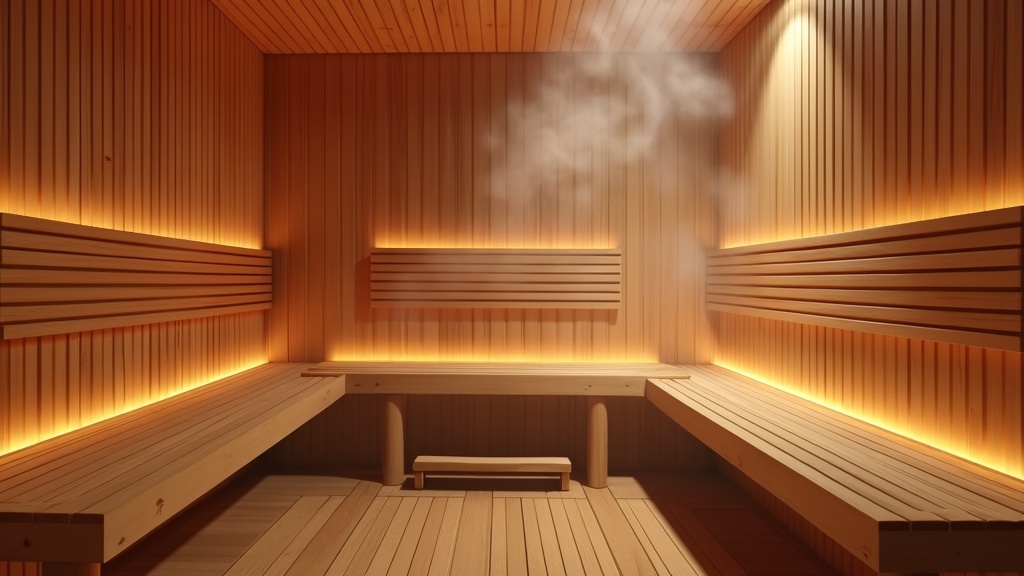
Taking a stroll into a sauna feels like cozying up under a warm, wool blanket on a chilly night. Now, let’s chat about what makes that snug feeling possible—the materials that bring it all together.
Imagine you’re piecing together a jigsaw puzzle, and each piece must fit just right, like when you build a sauna using cedar or hemlock, which are crowd-favorites because they handle high temperatures and offer a soothing aroma.
If you’re leaning towards eco-friendly options, think of it like choosing to ride a bicycle instead of driving a gas-guzzler—a choice that eases our planet’s load.
Sustainable lumber is gaining popularity, echoing the shift we see with electric cars on the roads today. As for the sauna, you should use lumber such as pine or Tsuga for the walls, install a vapor barrier to control steam, and maintain an appropriate temperature for an optimal indoor sauna experience.
Choosing The Right Wood
Picking the right wood for your sauna is just like choosing the perfect dress for a big party—it needs to be just right. Imagine setting up a cozy spot outside where you can relax; the furniture you pick sets the mood just like the wood you choose for your sauna.
It’s like finding the best shoes you can wear to make a good impression. With all the buzz about how hard it is to get good quality lumber these days, you’ll see that not all types of wood are the same for making your own peace corner.
Why Material Selection Counts: Think of it like choosing the best spices for a delicious meal—some give great taste, and some add just the right touch. When you’re building your sauna, options like cedar wood and spruce not only change how it looks but also how well it works.
Like deciding between a thick coat or a light sweater for changing weather, picking the right insulation is key for keeping your sauna warm during your time to relax. Experts highlight the smooth mix of heat control with good insulation, air movement, and sauna heaters. Getting this mix right means your sauna will last long and feel great, making each session super comforting.
Importance Of Vapor Barrier
After deciding on the ideal wood type for your cozy relaxation spot, such as popular choices like cedar or hemlock, it’s crucial to consider some often-overlooked elements. One such element is the vapor barrier, acting as a crucial defender against moisture intrusion that can undermine the integrity of your space.
Think of a vapor barrier as your own private rain guard. In the way an umbrella shields you from rain, it protects your home sauna from moisture issues. Just as water seeping into your living room would ruin your couch, unwanted dampness can seriously jeopardize the wood in your sanctuary.
Envision your sanctuary with its luxurious feel, where the aroma of cedar or the crisp scent of hemlock fills the air, helping maintain the warmth needed for relaxation. Ignoring moisture defense is like neglecting a leaky roof—eventually, it leads to costly repairs and diminishes the environment of tranquility you wish to create.
Effective insulation is equally important. It ensures that not only is the warmth maintained for comfort, but it also optimizes the aroma experience. Neglecting any of these steps can result in mold, and the poplar wood you selected could start to decay, challenging the durability you expected from your choice in materials.
Sauna Construction
- Strategic material selection, such as cedar or hemlock, ensures a long-lasting and inviting environment.
- Applying a vapor barrier is essential to guard against moisture and prolong the lifespan of your structure.
- Proper insulation plays a significant role in maintaining warmth and enhancing comfort.
- Overlooking moisture protection can lead to mold issues, undermining structural integrity.
Benefits Of Electric Heating
Embracing the warmth of an electric heating solution builds on the thoughtful choices of wood and protective measures we chatted about earlier. Just as picking cedar or hemlock wood and using a vapor barrier helps protect your cozy sauna, adding electric heating is like wrapping up in a snug, electric blanket on a chilly night. It’s efficient and responsible, making your indoor sauna a true delight.
Eco-Friendly Efficiency
Choosing electric heating fits right in with today’s push for sustainability. It’s like cities working hard to shrink their carbon footprints. Electric options gently warm your sauna while being friendly to our planet. With heating costs on the rise during chilly months, using smart strategies like effective insulation and picking durable materials such as red cedar or poplar when building your home sauna—whether it’s an infrared sauna or a traditional Finnish sauna—can make a big difference. This combo ensures your sauna environment is cost-effective and cozy, fights decay, and keeps the heat just right for an ideal sauna experience.
Proper Sauna Ventilation
Imagine stepping into a snug winter cabin where the warm fire perfectly balances the frosty air outside. This kind of balance is key for comfort, much like how your sauna room needs proper airflow to stay fresh. Ventilation is like the release of a toasty sauna’s heat, ensuring coziness rather than stuffiness.
Think of ventilation as the cool breeze you yearn for on a hot summer’s day. It’s like the purifier that filters out the smog, keeping your space fresh and breathing. Recent reports about improvements in air quality underscore the importance of maintaining a consistent airflow in your steamy haven. It’s like building insulation—just as crucial but often overlooked.
- Why Ventilation Matters
- Consider it a shield, ensuring your cedar wood panels and benches like poplar don’t fall prey to dampness. It’s like using waterproofing on your wooden sauna deck after heavy rain.
Sauna Ventilation
- Ensures delightful air quality, preventing the stuffiness that lack of airflow can cause.
- Just as you’ll need insulation for your indoor sauna, good air circulation stops moisture from damaging materials, like your prized cedar.
- Ventilation systems are like air purifiers, essential to create a pleasant sauna environment, ensuring an enjoyable session without any mustiness.
- Current chatter about air quality highlights the need for steady air exchange in enclosed areas, boosting your sauna experience and keeping it in top condition for years to come.
Insulation For High Temperatures
Switching focus from creating the perfect airflow in your sauna room brings us to a new dimension of warmth management. Think of your sauna gently bundled up in a snug winter coat, a bit like how we dress warmly on chilly days to trap body heat and stay cozy. By insulating your space effectively, you’re not only preserving that delightful warmth but also safeguarding against those pesky climbing energy costs—it’s much like fortifying your space from the drafts of a cold winter wind.
A Cozy Jacket for Your Sauna Room
Visualize this insulation as a comforting embrace for your sauna’s structure, keeping all the desired temperature right where you need it, just like your favorite cozy blanket does on a cold night. As we see countries around the globe push eco-friendly initiatives through climate summits, assuring proper insulation in your home sauna aligns with these green-energy policies. Choosing optimal materials, like high-quality wood with robust insulation properties, is paramount to withstanding the high temperatures generated by wood-burning heaters. This attention to detail creates an authentic experience reminiscent of traditional Finnish saunas, enhancing your personal steam room excursion while also keeping sustainability in check.
Waterproofing Your Sauna
Moving from the snug insulation that ensures warmth in your indoor sauna, let’s talk about the importance of keeping it dry, much like wearing a raincoat on a misty day. Just as you protect yourself from unexpected storms, your sauna environment needs protection to stay in top condition for years to come. Whether you’re creating with DIY sauna kits or enjoying a traditional Finnish sauna, ensuring dryness extends its life.
If you’ve ever tackled home projects, you know the satisfaction of getting things just right. Waterproofing not only shields against moisture but also boosts energy efficiency, saving costs like a well-sealed winter coat.
- The Importance of Keeping Out Moisture
- Imagine waterproofing as the reliable umbrella for your sauna space—without it, your indoor sauna can feel like a rainy-day downpour. With rising instances of climate events like recent floods in Europe, protecting your sauna is a must.
- Waterproofing prevents the structural damage moisture buildup can cause.
- Proper insulation enhances comfort and increases energy efficiency.
- Selecting the best material used ensures longevity, so your sauna remains inviting year after year.
- Effective moisture control stops mold and mildew, preserving your indoor or outdoor sauna’s fresh aroma.
Installing Sauna Lighting
After ensuring warmth and dryness, it’s time to craft a serene ambience for your wooden retreat. Imagine the enchanting glow of sunset casting a soft light on a calm beach; that’s the kind of tranquility your indoor space can offer with the right illumination.
Consider using energy-efficient LED lights, universally praised during global climate discussions for their eco-friendliness. Just like sturdy Tsuga wood, known for its durability against high temperatures, your lighting fixtures need to endure the sauna’s unique conditions. Think of them as sun-blocking sunglasses standing up to intense heat.
Selecting the right illumination as you create a custom sauna experience enriches every sauna session. This involves blending eco-conscious decisions with practical elegance for your interior setting. By focusing on quality lighting, you’ll enhance your sauna experience while keeping your setup in top condition for years to come.
Enhancing Sauna Experience
Jumping from setting up calming lighting to creatively blending sauna styles can take your relaxation spot to another level—much like upgrading a simple old bike with new gears makes every ride an exciting journey. Just as a hybrid car effortlessly mixes traditional fuel and electric power, combining traditional and infrared sauna varieties creates a lavish patchwork of comfort benefits.
Picture mixing these styles as concocting a dazzling fusion dish from different cuisines, needing a careful blend to let all flavors enhance each other perfectly. It’s key to make sure heaters can handle high temperatures and humidity—just like ensuring your car’s engine is a good fit to prevent mechanical mishaps. The choice of heater is the foundation of this indulgent experience, persistently enduring tough conditions to offer desired temperatures effectively and safely.
Sauna Styles
- Blending traditional and infrared options boosts the relaxation experience.
- Picking the right heater is crucial for safe, efficient functioning.
- Top-quality heaters ensure dependability in high-temperature surroundings.
- A well-chosen heater assures long-lasting use and durability.
Building a cozy retreat at home can bring immense joy, and selecting the right items for your indoor relaxation space is as important as picking the best toys for a child’s play area. Just like your favorite action figures and dolls have to be durable and enjoyable, the materials for your sauna need to be up to the task of handling steam and heat over time.
For instance, cedar, often loved for its delightful aroma, has natural properties that manage moisture, making it a top pick.
Pine, on the other hand, is light on the wallet and weighs less, so it’s a great option for those looking to keep costs down without compromising quality. Think of a vapor barrier as the trusty shield of your sauna, safeguarding walls against moisture while keeping the temperature consistent for an enjoyable steam experience.
Choosing The Right Wood
Think of selecting the right lumber like putting together your own sports team. Just as each player has unique skills that work together to win games, each type of wood has its own special characteristics. Choosing wisely helps your sauna stand up to time and temperature changes.
When picking wood for your sauna, consider softwoods like pine. They’re like the speedy players that are flexible and affordable. This makes them popular for those on a budget. On the other hand, hardwoods like cedar are your sturdy defenders. They’re tough enough to handle high temperatures and humidity without warping or decaying. That’s why cedar is a top pick! Its natural aroma creates a relaxing environment and helps your sauna last longer.
Understanding Wood Types: It’s really important to recognize the strengths different types of lumber bring to your indoor sauna. For instance, Tsuga wood is becoming a favorite thanks to its great insulation properties. It’s fantastic for keeping warmth during those chilly winter months in your indoor sauna, so your sauna stays cozy.
But don’t stop just at the wood! Incorporating other elements, like a vapor barrier, can step up your sauna’s performance. Think of it as making sure your star player has all the right gear. A vapor barrier helps keep moisture out and creates a healthier sauna atmosphere. Plus, don’t forget about lighting! Picking the best options can set the perfect relaxing vibe while being energy-efficient.
In summary, choosing the right wood for your home sauna goes beyond just looks. It lays the groundwork for comfort, efficiency, and durability. By gathering a winning lineup of materials, every sauna session can feel like a refreshing victory—not just another day at the game!
Importance Of Vapor Barrier
Building a cozy indoor environment, much like creating a warm cabin in the woods, involves protecting it from the elements. Just like your favorite wooden toys would suffer if left outside in the rain, our comforting spaces need barrier protection to keep moisture away.
This is where a vapor barrier comes into play, acting like a reliable raincoat that keeps your space snug and dry no matter the weather outside. Recent news about extreme weather patterns, from heavy rain to surprising flooding, highlights the need to safeguard our homes. Every storm presents a challenge, reminding us how much protection we should have to keep our comfort intact.
A vapor barrier is your first line of defense, stopping unwanted moisture from seeping through walls or floors and jeopardizing your indoor retreat. With materials like polyethylene sheets being popular choices, think of this protective layer as a vital addition alongside your carefully selected wood and insulation, such as cedar or pine.
When you’re ready to build a custom space that feels as refreshing as a sunny day, remember that choosing the right vapor barrier is key. It isn’t just a standalone feature; it works closely with your lumber choices, helping to keep your sauna or relaxation area in top shape for years. Not only does this maintain the optimal temperature, but it also preserves a pleasant atmosphere, free from decay and other issues.
So, as you envision creating your ideal home retreat, don’t overlook the importance of a vapor barrier. This seemingly small addition can handle the steamy demands of your indoor setting while perfectly matching your design choices. After all, the best sauna experiences start with a solid foundation and a little extra care to keep it dry and cozy!
Benefits Of Electric Heating
When it comes to staying warm during those chilly winter nights, electric heating plays a major role, especially with rising energy costs making us rethink our choices. Think of electric heating as that favorite cozy blanket you reach for when you feel a little cold—it warms you up quickly and keeps things comfortable without draining your wallet.
- Efficiency and Cost-Effectiveness:
- Electric heating systems work like a good friend who knows how to set the right mood—they warmth up your space quickly and efficiently. This means you can enjoy the heat without worrying about skyrocketing bills.
- With energy prices climbing, going for electric solutions allows you to bask in warmth without spending a fortune. They give off steady heat, making your space feel nice and homey right when you need it.
- And when you’re choosing the right kind of wood for your sauna, such as pine or red cedar, consider how the electric heater works with your chosen lumber. For example, an infrared sauna sends heat directly to warm your body rather than heating the air, making insulation and vapor barriers even more crucial for that perfect warm haven.
Plus, since electric heating doesn’t require traditional fuels, it’s perfect for spaces without easy gas line access. If you’re dreaming of a cozy retreat like an outdoor sauna or a relaxing hot room in your basement, electric heating is a smart choice.
With simple installation and minimal upkeep, the electric option can greatly improve your indoor sauna experience. Just imagine stepping into a well-insulated spot that radiates inviting warmth—no more fussing with wood-burning stoves or complicated plumbing. It’s like having a personal little getaway, perfect for unwinding after a busy day.
So, if you’re planning to create a warm and efficient space, keep in mind that electric heating is an ideal partner with your wood selections and vapor barriers. Making these elements work together ensures your retreat remains cozy and welcoming, turning every session into a delightful escape!
Proper Sauna Ventilation
Thinking about how a cozy space needs to be warm and inviting, it’s just as important to ensure that your sauna has the right airflow. Just like your favorite cowboy wouldn’t want to be stuck in a stuffy saloon, you won’t want to feel cramped when it’s time to unwind and enjoy a relaxing sauna session!
- Fresh Air is Essential
- Imagine trying to run a race with a pillow over your face—it just doesn’t work! A lack of airflow can leave you gasping instead of enjoying the warmth of your sauna.
- Effective ventilation keeps the ideal temperature and ensures the air stays fresh, helping you avoid that funky sauna smell that can creep in if you’re not careful, especially in your electric sauna lined with stunning cedar wood.
- Good ventilation not only enhances your sauna experience but also promotes relaxation and comfort. Studies show that nice airflow can help control humidity levels, preventing excess moisture that can cause decay in the wooden structures.
- Maintaining fresh air circulation can also reduce the risk of feeling discomfort during your sauna sessions.
- A sauna with good ventilation is less likely to develop those unwelcome odors, creating a pleasant environment that feels inviting every time you step inside.
Just picture sinking into your custom sauna benches, feeling the steam and heat wrap around you, while also enjoying the fresh air flow that elevates the experience. Integrating the right heating, ventilation, and air conditioning will turn an ordinary setting into an extraordinary retreat. To keep your sauna in top shape for years to come, remember that combining proper airflow with quality wood choices and thoughtful design makes all the difference. Your happy place should feel fresh, welcoming, and perfect for winding down, making all that effort to build your custom retreat truly rewarding!
Insulation For High Temperatures
After chatting about how essential good airflow is for your relaxation experience, let’s talk about insulation. It’s like a superhero cape; it keeps the warmth in when it’s cold outside and helps maintain cozy vibes all year round.
When you’re building your perfect retreat, choosing the right building insulation material is key. High-quality insulation traps heat inside your serene space. This way, you can enjoy warmth without feeling like you’ve walked into a furnace! Wellness retreats are popping up everywhere, giving folks a stylish way to unwind and destress.
Using wood like basswood or red cedar not only spices up your space but also has fantastic insulation properties. When your electric heater or sauna stove is cranking, the heat stays put, creating a snug atmosphere that wraps around you like a trusty blanket on a chilly night. Plus, cedar brings some aromatic benefits, making your relaxation experience even better.
And don’t overlook vapor barriers! Putting in an aluminum vapor barrier is a smart move to prevent moisture damage, keeping your structure in top condition for years. Pair this with smart insulation choices, and you’re setting yourself up for an unbeatable sauna session. A well-insulated and ventilated space wards off decay, ensuring everything stays cozy and fresh.
So as you plan your next project or daydream about your outdoor hideaway, remember insulation’s importance. It’s not just about keeping the heat in; it’s about enhancing your sauna experience and preserving that snug, warm feeling. With the right materials and a little care, you can create a haven that feels great and stands the test of time!
Waterproofing Your Sauna
After chatting about how important good airflow and insulation are for your cozy retreat, let’s dive into waterproofing. Protecting your sauna is a bit like looking after your favorite skateboard—if it gets wet and rusty, it won’t roll smoothly! With the unpredictable weather we’ve seen lately, keeping out moisture is more important than ever.
Take last summer’s flash floods as a perfect example. Just like you wouldn’t want your prized skateboard splashed by muddy water, your sauna deserves the same level of care to stay in great shape. Moisture is sneaky; it can creep in and cause significant damage if you’re not careful!
- Why Proper Protection is Crucial
Think of your sauna as a classic car you’ve lovingly restored. If you leave it out in the rain without protection, that beautiful paint will fade. Proper waterproofing acts like a shield, stopping moisture from invading your sauna’s wooden structures. When you treat your sauna well, it offers you a fantastic experience, allowing you to soak in the warmth and relaxation it brings.
Importance of Protection Consequences of Neglect Maintains sauna functionality Moisture damage can impair equipment Preserves aesthetic appeal Wear and tear on finishes over time Enhances overall sauna experience Reduced insulation properties if damaged
Using quality waterproof materials, like an aluminum vapor barrier, is essential for blocking moisture from sneaking into your sauna. When you decide to build a sauna at home, focus on the materials used in construction. Treated wood, proper sealing, and water-resistant finishes make a significant difference. These choices not only protect your sauna but also improve your overall sauna experience by keeping it warm, cozy, and free from decay.
If you’re planning to create or upgrade your sanctuary, remember that just like your skateboard needs a cover to stay shiny, your sauna requires similar care to thrive. Keeping the heat inside and the moisture out will help your space stand the test of time. With the right practices in place, you’ll enjoy an inviting environment perfect for relaxing sauna sessions—whether you’re unwinding after a long day or having a blast with friends!
Installing Sauna Lighting
Once you’ve ensured your sauna environment is cozy with proper insulation and waterproofing, let’s talk about installing just the right lighting. Think of it as the finishing touch—a bit like adding the perfect garnish to a delicious meal that elevates your entire experience.
Good lighting not only enhances the ambiance but also ensures safety as you move around during your sauna session, avoiding any accidental tumbles as you soak in the warmth. Imagine trying to navigate around in the dark—yikes! You’d want to find your way as easily as you would while walking to the refrigerator for a midnight snack.
When choosing materials for your lighting setup, you want to be sure everything is up to the task, just like picking the best wood for your sauna construction. Your fixtures must be waterproof because, remember, a sauna is a steamy place where heat and moisture reign supreme. Picture it as having a waterproof jacket that keeps you dry, while also being stylish for any occasion.
This ties really well into our earlier talks about high-quality materials. Just as hemlock and red cedar are fantastic choices for the sauna itself due to their excellent insulation properties, you need to pick high-quality fixtures that can withstand the heat. Choosing materials rated for high temperatures will keep everything in top condition for years, without any signs of wear or damage.
Additionally, clever positioning of your lighting can create beautiful shadow play on the walls, much like how a sunset casts a warm glow on your favorite camping spot. Thoughtfully placed lighting not only creates an inviting atmosphere; it enhances your overall sauna experience, helping you escape and unwind in style.
So, when you’re crafting your ideal sauna retreat, remember that installing the right lighting is essential for setting the mood. With these careful choices, your sauna will develop into a cozy haven, ready for relaxing moments that feel like a warm embrace, whether it’s a solo retreat or a group chill with friends. Light it up right, and you’ll have the best setup to enjoy those rejuvenating sauna sessions!
Enhancing Sauna Experience
Reflecting on our chats about insulation and lighting, creating a memorable time in your heated retreat requires some thoughtful planning. Just like you’d carefully choose the right snacks for a cozy movie night, picking the perfect heater is crucial for that warm atmosphere you crave.
By mixing various heating techniques, such as blending traditional setups with infrared options, you can design a sauna that wraps you in cozy vibes. Each heating type plays an important role, similar to how having a good mix of movie genres can lift your film night to the next level.
Think about it: much like making sure your favorite snacks are plentiful, right sauna heaters will ensure a warm, enjoyable atmosphere for years to come. Choosing a compatible heater is like selecting the right movie for your night; it guarantees a smooth experience without any surprises that could spoil your relaxation.
When choosing a heater for your indoor sauna, it’s important to check specific factors. For example, if you go for an electric heater, make sure it’s rated for high temperatures and humidity so it can handle the sauna’s special environment. Otherwise, you might run into unpleasant surprises, much like how a surprising plot twist can leave you confused during a film!
| Heater Type | Benefits |
|---|---|
| Traditional Heaters | Provides steady warmth and is commonly used in sauna setups. |
| Infrared Heaters | Offers targeted heat and helps keep moisture for a better experience. |
| Compatibility | Choosing the right heater ensures top performance and durability. |
| Maintenance | Regular checks can prevent decay and keep heaters effective in high temperatures. |
When deciding on the heating method, think about how it interacts with the overall sauna space. Just like you’d want your chosen film to fit the vibe of your movie night, making sure your heater matches your sauna area is important. A harmonious balance creates a welcoming retreat, making every sauna session a delightful escape.
Lastly, don’t overlook the overall ambiance! The right heater not only keeps you warm but also adds to the peaceful atmosphere you’ve set up. When the heat envelops you just right, like a perfect throw blanket on a chilly evening, you know you’ve created an exceptional sauna experience.
How Long Should A Typical Indoor Sauna Session Last Perfect Sauna Time 15 Mins